

Can a large fire extinguisher be used in laboratories?
As a supplier of large fire extinguishers, I often receive inquiries from various industries, including laboratories. The question of whether a large fire extinguisher can be used in laboratories is a crucial one, as it directly relates to safety and compliance with regulations. In this blog post, I will delve into the factors to consider when determining the suitability of large fire extinguishers for laboratory use.

Understanding Laboratory Fire Risks
Laboratories are unique environments that house a wide range of flammable and combustible materials, including chemicals, gases, and solvents. These materials pose a significant fire risk, and the potential for a fire to spread quickly and cause extensive damage is high. Additionally, laboratories often contain sensitive equipment and valuable research materials that need to be protected in the event of a fire.
There are different classes of fires that can occur in laboratories, each requiring a specific type of fire extinguisher for effective suppression: - Class A fires: These involve ordinary combustible materials such as wood, paper, and cloth. - Class B fires: These involve flammable liquids such as gasoline, oil, and solvents. - Class C fires: These involve energized electrical equipment. - Class D fires: These involve combustible metals such as magnesium, titanium, and sodium. - Class K fires: These involve cooking oils and fats, which are common in laboratory kitchens.
Advantages of Using Large Fire Extinguishers in Laboratories
Greater Fire Suppression Capacity
Large fire extinguishers typically have a higher capacity and can discharge a larger volume of extinguishing agent compared to smaller ones. This means they can cover a larger area and suppress fires more effectively, especially in larger laboratories or those with high fire risks. For example, in a laboratory where large quantities of flammable chemicals are stored, a large fire extinguisher can quickly contain a fire before it spreads.
Longer Discharge Time
With a larger capacity, large fire extinguishers also have a longer discharge time. This allows users more time to tackle the fire, increasing the chances of successful suppression. In a laboratory setting, where fires can escalate rapidly, having sufficient time to act is crucial.
Suitability for High-Hazard Areas
Some laboratories may have areas with particularly high fire hazards, such as storage rooms for flammable materials or areas where high-temperature processes are carried out. Large fire extinguishers are better suited to these high-hazard areas as they can provide a more substantial and immediate response to a fire.
Considerations When Using Large Fire Extinguishers in Laboratories
Type of Extinguishing Agent
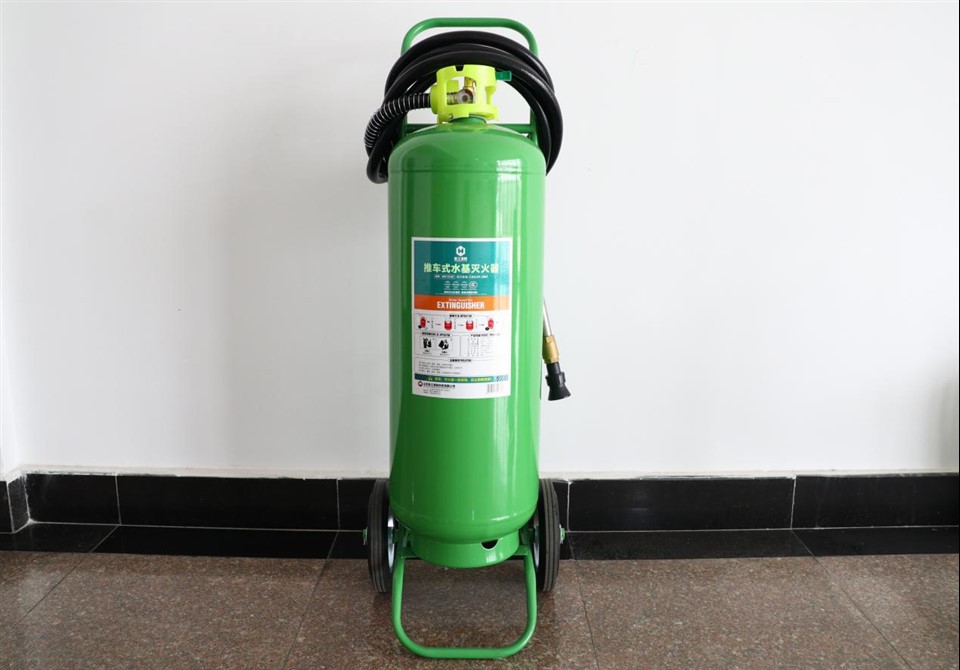
Not all large fire extinguishers are suitable for all types of laboratory fires. It is essential to choose the right type of extinguishing agent based on the potential fire hazards in the laboratory. For example, water-based fire extinguishers are effective for Class A fires but can be dangerous for Class B, C, D, and K fires. On the other hand, dry chemical fire extinguishers can be used for Class A, B, and C fires, while carbon dioxide fire extinguishers are suitable for Class B and C fires. Our 6a Fire Extinguisher is a water-based option suitable for certain types of fires, but it's important to assess its compatibility with your laboratory's specific needs.

Space and Mobility
Large fire extinguishers are heavier and bulkier than smaller ones, which can make them difficult to move and maneuver in a laboratory setting. Laboratories often have limited space and may be filled with equipment and furniture, making it challenging to access the fire extinguisher quickly in an emergency. It is important to ensure that the fire extinguisher is placed in a location that is easily accessible and that there is enough space for users to operate it safely.
Training Requirements
Using a large fire extinguisher requires proper training. Laboratory personnel need to be trained on how to use the specific type of fire extinguisher correctly, including how to aim, squeeze, and sweep the extinguishing agent. They also need to be aware of the potential hazards associated with using the extinguisher, such as the risk of electrical shock or the release of harmful chemicals. Regular training and drills should be conducted to ensure that all laboratory personnel are prepared to respond to a fire emergency.
Compatibility with Laboratory Equipment
Some large fire extinguishers may use extinguishing agents that can damage sensitive laboratory equipment. For example, dry chemical fire extinguishers can leave a residue that may contaminate samples or damage electronic components. It is important to choose a fire extinguisher that is compatible with the equipment in the laboratory to minimize the risk of damage.
Regulations and Standards
In many countries, there are regulations and standards that govern the use of fire extinguishers in laboratories. These regulations typically specify the types of fire extinguishers that are required based on the type of laboratory and the potential fire hazards. For example, laboratories that handle flammable chemicals may be required to have a certain number of Class B fire extinguishers. It is important to ensure that your laboratory complies with all relevant regulations and standards to avoid potential fines and legal issues.

Our Product Range for Laboratories
As a supplier of large fire extinguishers, we offer a wide range of products suitable for laboratory use. Our Industrial Fire Extinguishers are designed to meet the high fire protection needs of industrial and laboratory environments. They come in different types and sizes, allowing you to choose the most appropriate option for your specific requirements.
We also offer Fire Extinguisher for Gas Station, which can be suitable for laboratories that handle flammable gases. These fire extinguishers are designed to provide effective suppression of Class B and C fires, which are common in gas-related environments.
Conclusion
In conclusion, large fire extinguishers can be used in laboratories, but several factors need to be considered to ensure their suitability. These include the type of extinguishing agent, space and mobility, training requirements, compatibility with laboratory equipment, and compliance with regulations. By carefully assessing these factors and choosing the right fire extinguisher for your laboratory, you can enhance the safety of your facility and protect your valuable assets.
If you are interested in learning more about our large fire extinguishers or need assistance in choosing the right product for your laboratory, please feel free to contact us. Our team of experts is ready to help you make an informed decision and ensure that your laboratory is well-protected against fire hazards.
References
- National Fire Protection Association (NFPA). NFPA 10: Standard for Portable Fire Extinguishers.
- Occupational Safety and Health Administration (OSHA). 29 CFR 1910.157: Portable fire extinguishers.
- International Organization for Standardization (ISO). ISO 7165: Fire extinguishers - Requirements and test methods.