

Do kitchen extinguishers work in cold temperatures?
Do kitchen extinguishers work in cold temperatures? This is a question that concerns many consumers, especially those living in regions with harsh winters. As a supplier of kitchen extinguishers, I've encountered this query numerous times. In this blog, I'll delve into the science behind how cold temperatures can affect kitchen extinguishers and whether they can still perform effectively when it's freezing outside.
How Kitchen Extinguishers Work
Before we discuss the impact of cold temperatures, let's briefly understand how kitchen extinguishers operate. Most kitchen extinguishers are designed to tackle Class A and Class K fires. Class A fires involve ordinary combustibles like wood, paper, and cloth, while Class K fires are related to cooking oils and fats.
Kitchen extinguishers typically use a combination of agents to suppress fires. For instance, some use water - based solutions to cool the fire and remove heat, while others use dry chemicals to smother the flames and interrupt the chemical reaction of combustion.
The Impact of Cold Temperatures on Different Types of Kitchen Extinguishers
Water - Based Extinguishers
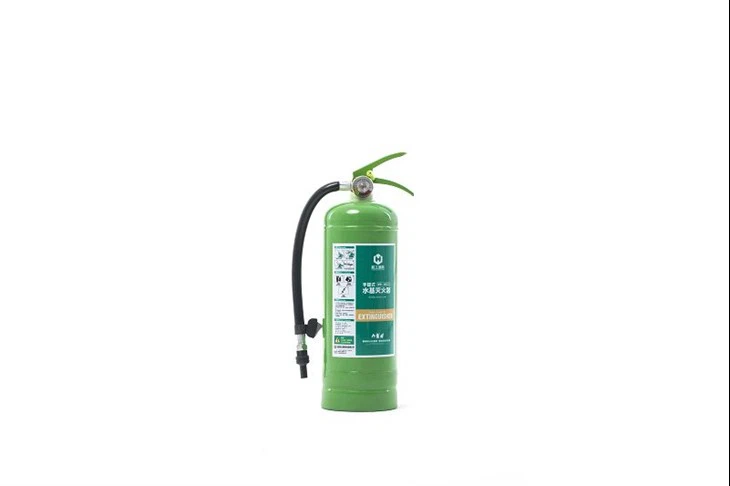
Water - based extinguishers are a popular choice for kitchens due to their effectiveness in cooling fires. However, they are highly susceptible to cold temperatures. Water freezes at 0°C (32°F). When the temperature drops below this point, the water inside the extinguisher will freeze, expanding in the process. This expansion can cause the extinguisher's container to crack or burst, rendering it useless.
Even if the container doesn't break, frozen water cannot be expelled from the extinguisher as intended. The pressure mechanism that forces the water out relies on the fluidity of the water. Once it's frozen, the extinguisher won't be able to discharge the agent properly, and it won't be able to extinguish a fire. If you're interested in a in Car Fire Extinguisher, which is also water - based in many cases, you need to be extra cautious about cold - weather storage.
Dry Chemical Extinguishers
Dry chemical extinguishers are more resilient to cold temperatures compared to water - based ones. The dry chemicals used in these extinguishers, such as monoammonium phosphate or sodium bicarbonate, don't freeze. However, cold temperatures can still have an impact on their performance.
At extremely low temperatures, the powder inside the extinguisher can become more compacted. This compaction can make it more difficult for the powder to be expelled evenly through the nozzle. The pressure mechanism that releases the powder might also be affected by the cold. The gas used to create the pressure inside the extinguisher may not function as efficiently in cold conditions, resulting in a weaker discharge.
Factors Affecting Performance in Cold Temperatures
Apart from the type of extinguisher, several other factors can influence how well a kitchen extinguisher works in cold temperatures.
Storage Conditions
The way an extinguisher is stored plays a crucial role. If an extinguisher is stored in an unheated garage or shed during winter, it's more likely to be exposed to freezing temperatures. On the other hand, if it's stored in a heated area of the house, such as a pantry or a closet, the risk of cold - related damage is significantly reduced.
Age and Maintenance
Older extinguishers may be more prone to issues in cold temperatures. Over time, the seals and valves of an extinguisher can degrade. In cold weather, these weakened components are more likely to fail. Regular maintenance, including inspections and pressure checks, can help identify potential problems before they become serious.
Testing Kitchen Extinguishers in Cold Temperatures
Manufacturers of kitchen extinguishers conduct various tests to ensure their products can perform in different conditions. They subject the extinguishers to simulated cold - weather scenarios to evaluate their functionality. However, these tests are often conducted under controlled laboratory conditions, and real - world situations can be more complex.
Some fire safety organizations recommend periodic testing of extinguishers in cold environments. This can involve visually inspecting the extinguisher for signs of damage, such as cracks or leaks, and checking the pressure gauge (if available). If you notice any issues, it's advisable to have the extinguisher serviced or replaced.
Ensuring Kitchen Extinguisher Performance in Cold Weather
To ensure that your kitchen extinguisher works effectively in cold temperatures, here are some tips:
Proper Storage
Store your extinguisher in a warm place. If you have a basement or a storage area that is heated, keep the extinguisher there. Avoid leaving it in unheated garages, porches, or outdoor storage units during the winter months.
Insulation
If you must store the extinguisher in a cold area, you can consider insulating it. You can use insulating materials like foam sleeves or blankets to help maintain a more stable temperature around the extinguisher.

Regular Checks
Regularly check your extinguisher for signs of damage or malfunction. Look for cracks, dents, or corrosion on the container. Check the pressure gauge (if applicable) to ensure that it's within the recommended range.
Different Types of Kitchen Extinguishers for Cold Climates
If you live in a region with extremely cold winters, you might want to consider specific types of kitchen extinguishers that are better suited for cold conditions. For example, some E Fire Extinguisher models are designed with anti - freeze additives in their water - based solutions. These additives lower the freezing point of the water, allowing the extinguisher to function at lower temperatures.
Another option is A Fire Extinguisher, which are often more reliable in cold weather due to their dry chemical composition. They are less likely to be affected by freezing temperatures and can still provide effective fire suppression.
Conclusion
In conclusion, cold temperatures can have a significant impact on the performance of kitchen extinguishers. Water - based extinguishers are particularly vulnerable to freezing, while dry chemical extinguishers may experience issues with powder compaction and pressure mechanisms. However, with proper storage, insulation, and maintenance, you can increase the likelihood that your kitchen extinguisher will work when you need it most.
As a supplier of kitchen extinguishers, we are committed to providing high - quality products that can perform in various conditions. Our team of experts can help you choose the right extinguisher for your specific needs, especially if you live in a cold climate. If you're interested in purchasing kitchen extinguishers or have any questions about their performance in cold temperatures, please feel free to contact us for a detailed discussion. We're here to ensure your safety and peace of mind.
References
- NFPA 10: Standard for Portable Fire Extinguishers
- UL (Underwriters Laboratories) testing reports on fire extinguisher performance in different temperatures
- Fire Protection Research Foundation studies on the impact of environmental conditions on fire extinguisher functionality