

How do I check the pressure of a garage fire extinguisher?
As a supplier of garage fire extinguishers, I understand the importance of ensuring that these life - saving devices are in proper working condition. One crucial aspect of maintaining a fire extinguisher is regularly checking its pressure. In this blog, I'll share with you how to check the pressure of a garage fire extinguisher.

Why is Pressure Checking Important?
Before delving into the checking process, it's essential to understand why pressure checking is so vital. A fire extinguisher works by expelling its extinguishing agent under pressure. If the pressure is too low, the extinguisher may not be able to discharge the agent effectively when needed. On the other hand, if the pressure is too high, it can pose a safety risk, potentially causing the extinguisher to rupture.
Types of Garage Fire Extinguishers and Their Pressure Indicators
There are several types of fire extinguishers commonly used in garages, such as water - filled, dry chemical, and CO2 extinguishers. Each type may have a different way of indicating pressure.
- Water Filled Fire Extinguishers: These are designed to combat Class A fires (fires involving ordinary combustibles like wood, paper, and cloth). You can find more information about Water Filled Fire Extinguishers. Water filled fire extinguishers usually have a pressure gauge on the side. The gauge is marked with different zones, typically a green zone indicating the proper pressure range, a red zone for low pressure, and sometimes a yellow zone for over - pressure.
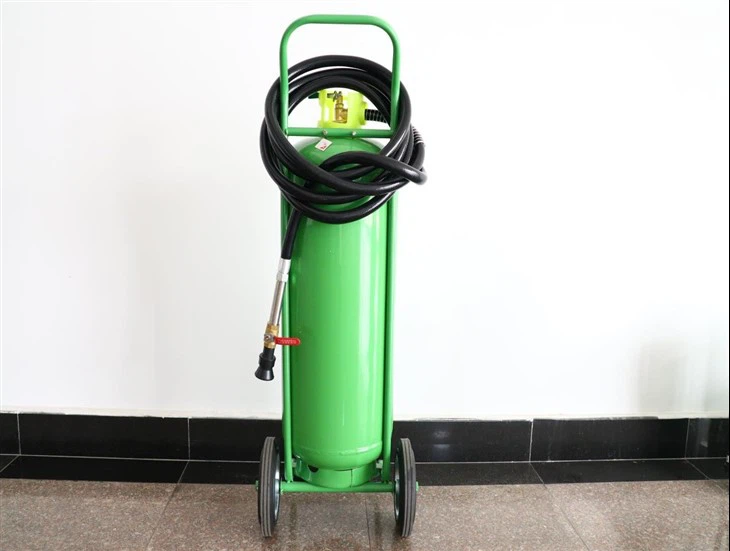
- 45kg Water - based Fire Extinguishers: These larger capacity water - based fire extinguishers are often used in industrial or commercial garages. They are suitable for more extensive fire risks. To learn more about 45kg Water - based Fire Extinguishers, you can visit the provided link. Similar to smaller water - filled extinguishers, they also come with a pressure gauge to indicate the internal pressure.
- Industrial Fire Extinguishers: Industrial garages may require more robust fire protection, and Industrial Fire Extinguishers are designed to meet these needs. These can include various types like dry chemical and CO2 extinguishers. CO2 extinguishers, for example, do not have a traditional pressure gauge. Instead, they are often weighed to determine if they have lost any significant amount of their charge, as a loss in weight indicates a loss of pressure and CO2.
Step - by - Step Guide to Checking Pressure
For Fire Extinguishers with Pressure Gauges
- Visual Inspection: First, take a close look at the fire extinguisher. Check for any visible signs of damage, such as dents, leaks, or corrosion. If you notice any of these issues, the extinguisher may need to be replaced or serviced immediately, regardless of the pressure reading.
- Locate the Pressure Gauge: The pressure gauge is usually located on the top or side of the fire extinguisher. It is a small circular or rectangular device with a needle inside.
- Read the Pressure Gauge: Look at the position of the needle on the gauge. If the needle is in the green zone, it means the extinguisher is at the proper pressure and is ready for use. If the needle is in the red zone, the pressure is too low, and the extinguisher may not work correctly. An extinguisher with low pressure should be taken to a professional for re - charging. If the needle is in the yellow zone, the pressure is too high, which can also be dangerous. In this case, do not attempt to use the extinguisher and contact a professional.
For CO2 Fire Extinguishers (Weighing Method)
- Find the Tare Weight: The tare weight is the weight of the empty fire extinguisher. This information is usually stamped on the body of the extinguisher.
- Weigh the Extinguisher: Use a suitable scale to weigh the entire fire extinguisher. Make sure the scale is accurate and can handle the weight of the extinguisher.
- Compare Weights: Subtract the tare weight from the total weight of the extinguisher. If the difference is less than the rated weight of the CO2 charge, it means the extinguisher has lost some of its charge and may not have enough pressure to function correctly.
Frequency of Pressure Checking
It is recommended to check the pressure of your garage fire extinguishers at least once a month. This regular check can help you catch any potential issues early and ensure that the extinguisher is always in a reliable state. In addition to monthly pressure checks, a more comprehensive inspection by a professional should be carried out annually.
Importance of Professional Servicing
While regular pressure checks by the user are essential, professional servicing is equally important. Professionals have the expertise and tools to perform in - depth inspections, including checking for internal damage, valve functionality, and proper sealing. They can also recharge or replace fire extinguishers as needed.
Conclusion
Checking the pressure of a garage fire extinguisher is a simple yet crucial task that can make a significant difference in the event of a fire. By following the steps outlined above and performing regular checks, you can ensure that your fire extinguisher is ready to protect your garage and its contents.
If you are interested in purchasing high - quality garage fire extinguishers or have any questions about their maintenance, we are here to help. We offer a wide range of fire extinguishers to meet your specific needs. Whether you need a small water - filled extinguisher for a home garage or a large industrial - grade extinguisher, we have the products and expertise to assist you. Contact us to start a procurement discussion and ensure your garage is well - protected against fire hazards.
References
- NFPA 10: Standard for Portable Fire Extinguishers
- OSHA Guidelines on Fire Extinguisher Maintenance