

How to refill a fire extinguisher?
As a supplier of A Fire Extinguishers, I understand the importance of maintaining these life - saving devices in optimal working condition. One crucial aspect of this maintenance is refilling fire extinguishers when they are depleted. In this blog, I'll guide you through the process of refilling a fire extinguisher, ensuring that it remains ready to combat fires effectively.
Understanding the Need for Refilling
Fire extinguishers are not one - time use items. After they are discharged, whether partially or fully, they need to be refilled to be ready for future emergencies. Using an empty or under - filled fire extinguisher during a fire can have disastrous consequences. Regularly refilling your fire extinguishers is a legal requirement in many areas and a fundamental safety measure for homes, offices, and industrial facilities.
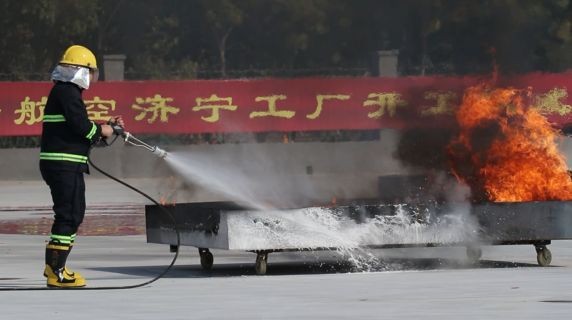

Types of Fire Extinguishers and Their Refilling Requirements
There are several types of fire extinguishers, each designed to tackle different classes of fires. Here are some common types and their refilling considerations:
Water - Based Fire Extinguishers
Water - based fire extinguishers are suitable for Class A fires, which involve ordinary combustibles like wood, paper, and cloth. These extinguishers typically use water as the extinguishing agent, sometimes with additives to enhance performance. For refilling water - based fire extinguishers, you'll need to use clean, potable water. If your extinguisher requires additives, make sure to use the correct type and quantity as specified by the manufacturer. You can check out Safequip Fire Extinguisher for more details on water - based models.
Office Fire Extinguishers
Office environments usually require multi - purpose fire extinguishers that can handle different types of fires. These often fall into the Class ABC category, which can deal with Class A (ordinary combustibles), Class B (flammable liquids), and Class C (energized electrical equipment). Refilling an Office Fire Extinguisher may involve using a dry chemical powder as the extinguishing agent. It's essential to follow the manufacturer's instructions regarding the type and amount of powder to use.
Electrical Extinguishers
Electrical fires are a significant concern in many settings. Electrical Extinguishers are designed to safely extinguish fires involving energized electrical equipment without conducting electricity. These extinguishers often use a non - conductive extinguishing agent such as carbon dioxide or a special dry chemical. When refilling, ensure that the agent used is compatible with the extinguisher's design and is suitable for electrical fires.
Step - by - Step Guide to Refilling a Fire Extinguisher
Step 1: Safety First
Before starting the refilling process, make sure you are in a well - ventilated area. Wear appropriate personal protective equipment, including safety goggles and gloves. If you are dealing with a chemical - based extinguisher, be aware of the potential hazards associated with the extinguishing agent.
Step 2: Inspect the Extinguisher
Examine the fire extinguisher for any signs of damage, such as dents, corrosion, or leaks. Check the pressure gauge to see if it indicates that the extinguisher is empty or needs refilling. If the extinguisher is damaged, it may need to be repaired or replaced rather than refilled.
Step 3: Depressurize the Extinguisher
Most fire extinguishers are pressurized. To refill them safely, you need to release the pressure. This is usually done by using a special tool to open the valve and allow the gas to escape slowly. Make sure to follow the manufacturer's instructions for depressurizing your specific model.
Step 4: Remove the Old Extinguishing Agent
If the extinguisher has been used, you'll need to remove the remaining extinguishing agent. For water - based extinguishers, you can simply drain the water. For dry chemical extinguishers, you may need to use a vacuum or other appropriate method to remove the powder.
Step 5: Clean the Extinguisher
After removing the old extinguishing agent, clean the inside of the extinguisher thoroughly. For water - based extinguishers, rinse the container with clean water. For dry chemical extinguishers, use a brush or compressed air to remove any remaining powder residue.
Step 6: Refill with the Extinguishing Agent
Depending on the type of extinguisher, carefully add the appropriate extinguishing agent. For water - based extinguishers, fill the container with clean water to the recommended level. For dry chemical extinguishers, use a funnel to pour the powder into the extinguisher, making sure not to overfill.
Step 7: Re - pressurize the Extinguisher
Once the extinguisher is filled with the extinguishing agent, it needs to be re - pressurized. Use a suitable charging device to add the correct amount of gas, usually nitrogen or carbon dioxide, as specified by the manufacturer. Monitor the pressure gauge to ensure that the correct pressure is reached.
Step 8: Test the Extinguisher
After refilling and re - pressurizing, perform a basic functionality test. Pull the pin and squeeze the handle to ensure that the extinguisher discharges the extinguishing agent properly. If there are any issues, double - check the refilling process or consult a professional.
Professional Refilling vs. DIY
While it is possible to refill a fire extinguisher yourself, it is often recommended to have it done by a professional. Professional fire extinguisher refill services have the expertise, equipment, and knowledge to ensure that the refilling is done correctly and safely. They can also perform a more comprehensive inspection of the extinguisher and identify any potential problems.
Maintaining Your Refilled Fire Extinguisher
After refilling, it's important to continue maintaining your fire extinguisher. Regularly check the pressure gauge to ensure that the extinguisher remains pressurized. Inspect the extinguisher for any signs of damage or leakage. Also, make sure that the extinguisher is easily accessible and clearly visible in case of an emergency.
Contact Us for Your Fire Extinguisher Needs
As a trusted supplier of A Fire Extinguishers, we offer a wide range of high - quality fire extinguishers and professional refilling services. If you have any questions about fire extinguisher refilling, or if you are interested in purchasing new fire extinguishers for your home, office, or business, we are here to help. Feel free to reach out to us for more information and to discuss your specific requirements.
References
- National Fire Protection Association (NFPA). Fire Extinguisher Standard.
- Manufacturer's manuals for various fire extinguisher models.