

What is the shock resistance of a 4a Fire Extinguisher?
When it comes to fire safety, one of the most commonly used tools is the fire extinguisher. Among them, the 4a Fire Extinguisher holds a significant place. As a supplier of 4a Fire Extinguishers, I am often asked about the shock resistance of these devices. In this blog, I will delve into the concept of shock resistance in 4a Fire Extinguishers, its importance, and how it relates to the overall performance and safety of the product.
Understanding the 4a Fire Extinguisher
Before we discuss shock resistance, it's essential to understand what a 4a Fire Extinguisher is. The "4a" rating on a fire extinguisher indicates its effectiveness in extinguishing Class A fires, which involve ordinary combustibles such as wood, paper, cloth, and some plastics. 4a Fire Extinguisher is typically water - filled and is designed to cool the burning material and suppress the fire. These extinguishers are widely used in commercial, industrial, and residential settings due to their versatility and relatively low cost.
What is Shock Resistance?
Shock resistance refers to the ability of a 4a Fire Extinguisher to withstand physical impacts without compromising its structural integrity or functionality. In real - world scenarios, fire extinguishers can be subjected to various types of shocks. For example, during transportation, they may be jostled around in a vehicle. In a workplace or home environment, they could accidentally be knocked over or bumped into.

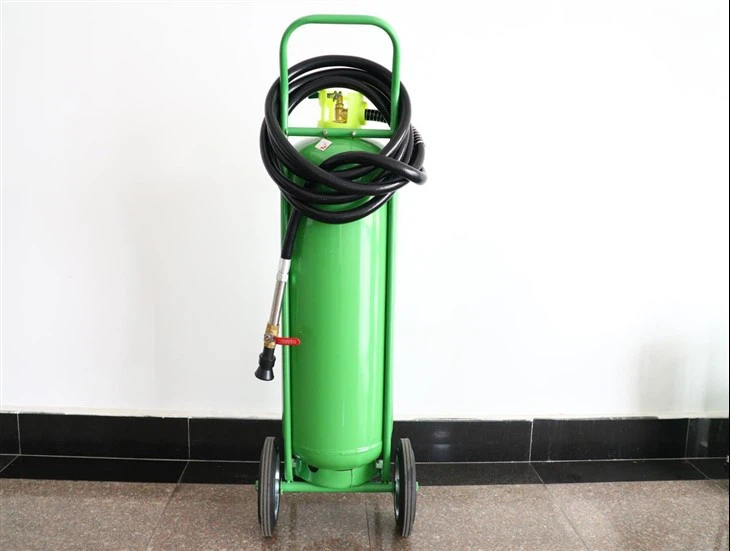
A fire extinguisher with good shock resistance is less likely to develop leaks, cracks, or other damage that could render it ineffective when needed. If a 4a Fire Extinguisher loses its integrity due to a shock, it may not be able to deliver the extinguishing agent properly, which can be a critical problem in the event of a fire.
Factors Affecting Shock Resistance
Construction Materials
The materials used in the construction of a 4a Fire Extinguisher play a crucial role in determining its shock resistance. Most 4a Fire Extinguishers have a metal cylinder, usually made of steel or aluminum. Steel cylinders are known for their high strength and durability. They can withstand significant impacts without deforming or cracking easily. Aluminum cylinders, on the other hand, are lighter, which makes them easier to handle but may have slightly lower shock resistance compared to steel.
The valve and other components of the extinguisher also contribute to its shock resistance. High - quality valves made of robust materials are less likely to break or malfunction when the extinguisher is subjected to a shock.
Design and Manufacturing Processes
The design of the 4a Fire Extinguisher can impact its shock resistance. A well - designed extinguisher will have a shape and structure that distributes the force of an impact evenly across the cylinder. For example, rounded edges and a smooth surface can help reduce stress concentrations that could lead to cracks.
The manufacturing process is equally important. Extinguishers that are manufactured using advanced techniques and strict quality control measures are more likely to have better shock resistance. For instance, proper welding and sealing during the manufacturing process ensure that the cylinder remains intact even under stress.
Testing Shock Resistance
To ensure that 4a Fire Extinguishers meet the required standards for shock resistance, they undergo rigorous testing. These tests simulate real - world scenarios to evaluate how the extinguisher will perform under impact.
One common test is the drop test. In this test, the extinguisher is dropped from a specified height onto a hard surface. The height and the surface are determined by relevant safety standards. After the drop, the extinguisher is inspected for any visible damage, such as cracks or leaks. It is also tested to ensure that it can still function properly, for example, by checking if the valve can still be opened and the extinguishing agent can be discharged.
Another test is the vibration test. The extinguisher is subjected to a series of vibrations that mimic the vibrations it may experience during transportation. This test helps identify any loose components or potential weak points in the extinguisher's structure.
Importance of Shock Resistance in 4a Fire Extinguishers
Safety
The primary importance of shock resistance in 4a Fire Extinguishers is safety. In a fire emergency, people rely on these extinguishers to put out the fire quickly and effectively. If an extinguisher has been damaged due to a shock and fails to work, it can put lives and property at risk. A shock - resistant extinguisher provides an added layer of safety, ensuring that it will be ready for use when needed.
Cost - Effectiveness
Shock - resistant 4a Fire Extinguishers are more cost - effective in the long run. Since they are less likely to be damaged, they have a longer lifespan. This means that users do not have to replace them as frequently, saving money on purchasing new extinguishers. Additionally, a damaged extinguisher may require costly repairs or replacement parts, which can be avoided with a shock - resistant model.
Comparison with Other Fire Extinguishers
When compared to other types of fire extinguishers, such as the 45kg Fire Extinguisher, 4a Fire Extinguishers are generally smaller and lighter. However, they still need to have adequate shock resistance. The 45kg Fire Extinguisher, due to its larger size and weight, may require different design considerations for shock resistance. It may need more robust construction materials and a more stable base to prevent it from tipping over and being damaged.
In contrast, Water Filled Fire Extinguisher like the 4a Fire Extinguisher may be more prone to damage if the water freezes. This can cause the cylinder to expand and crack, which is why proper storage conditions are also important in maintaining shock resistance.
Maintaining Shock Resistance
To maintain the shock resistance of 4a Fire Extinguishers, proper handling and storage are essential. When transporting the extinguishers, they should be secured to prevent excessive movement. In storage, they should be placed in a stable position and away from areas where they are likely to be knocked over.
Regular inspections are also crucial. Inspect the extinguisher for any signs of damage, such as dents, scratches, or corrosion. If any damage is detected, it should be addressed immediately, either by repair or replacement.
Conclusion
In conclusion, the shock resistance of a 4a Fire Extinguisher is a critical factor that affects its safety and performance. As a supplier, we ensure that our 4a Fire Extinguishers are made from high - quality materials, designed with shock resistance in mind, and undergo strict testing to meet the required standards.
If you are in the market for reliable 4a Fire Extinguishers, we invite you to contact us for more information and to discuss your specific needs. Our team of experts is ready to assist you in finding the best fire safety solutions for your home, business, or industrial facility.
References
- National Fire Protection Association (NFPA) Standards for Fire Extinguishers
- International Organization for Standardization (ISO) Guidelines on Fire Extinguisher Testing
- Manufacturer's Specifications for 4a Fire Extinguishers