

Are there any environmental impacts of using a fire extinguisher?
Hey there! As a supplier of A Fire Extinguisher A Fire Extinguisher, I often get asked about the environmental impacts of using these life - saving devices. So, let's dive right in and explore this topic.
First off, we need to understand that there are different types of fire extinguishers, and each type can have a distinct environmental footprint. The most common types include water - based, foam, dry chemical, carbon dioxide (CO2), and clean agent fire extinguishers.
Let's start with water - based fire extinguishers. These are pretty straightforward. They mainly use water to put out fires, usually Class A fires, which involve ordinary combustibles like wood, paper, and cloth. Water is a natural and abundant resource, and using it to extinguish fires generally has a low environmental impact. It doesn't release any harmful chemicals into the air, and once the fire is out, the water simply evaporates or soaks into the ground. If you're looking for a fire extinguisher for your kitchen, a water - based one might be a great choice. Check out Best Fire Extinguisher for Kitchen for more info.
However, there are still some things to consider. In areas where water is scarce, using a large amount of water from a fire extinguisher could be a problem. Also, if the water used to extinguish the fire comes into contact with certain chemicals or contaminants at the fire site, it could potentially cause pollution when it drains into the sewer system or local water bodies.
Next up are foam fire extinguishers. These are commonly used for Class A and B fires, where B fires involve flammable liquids like gasoline and oil. Foam fire extinguishers work by creating a layer of foam that smothers the fire and prevents oxygen from reaching the fuel. The foam is usually made up of water, a foaming agent, and sometimes other additives.
The environmental impact of foam fire extinguishers depends on the type of foaming agent used. Some traditional foaming agents contain per - and polyfluoroalkyl substances (PFAS). These chemicals are known as "forever chemicals" because they don't break down easily in the environment. PFAS can contaminate soil, water, and air, and they have been linked to various health problems in humans and animals. But don't worry, there are now more eco - friendly foam fire extinguishers available. Check out Eco Friendly Fire Extinguisher to learn more about these options.
Dry chemical fire extinguishers are another popular type. They can be used for Class A, B, and C fires (where C fires involve energized electrical equipment). These extinguishers work by releasing a dry powder that interrupts the chemical reaction of the fire. The most common dry chemicals used are monoammonium phosphate and sodium bicarbonate.
When a dry chemical fire extinguisher is used, the powder gets dispersed into the air. This can cause air pollution, especially in enclosed spaces. The powder can also be difficult to clean up, and if it's not properly disposed of, it can contaminate soil and water. In addition, some people may have respiratory problems when exposed to the fine powder.
Carbon dioxide (CO2) fire extinguishers are mainly used for Class B and C fires. They work by displacing oxygen and suffocating the fire. CO2 is a natural component of the atmosphere, but when large amounts of it are released from a fire extinguisher, it can contribute to the greenhouse effect. In enclosed spaces, a high concentration of CO2 can also be dangerous to humans, as it can cause dizziness, shortness of breath, and even asphyxiation.
Clean agent fire extinguishers, also known as halon or halocarbon extinguishers, were once widely used for protecting sensitive electronic equipment. However, many of these agents, such as halon 1211 and halon 1301, have been phased out because they are ozone - depleting substances. Ozone - depleting substances can damage the ozone layer, which protects the Earth from harmful ultraviolet radiation. Today, there are more environmentally friendly clean agents available, but they still need to be used and disposed of carefully to minimize their environmental impact.
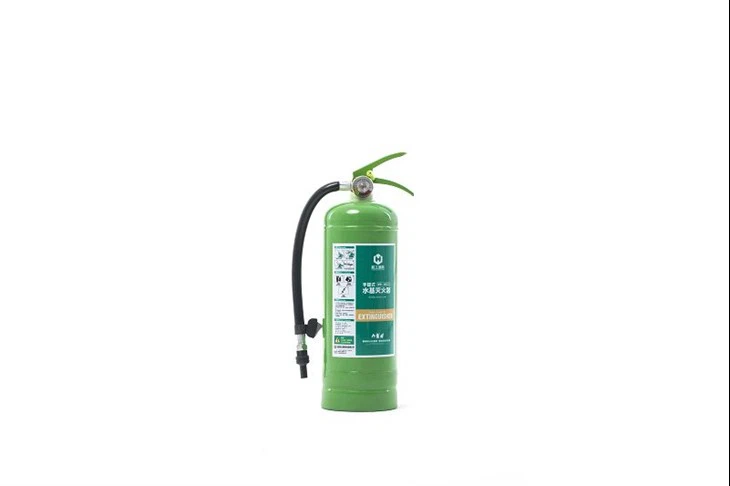

So, what can we do to reduce the environmental impact of using fire extinguishers?
First, choose the right type of fire extinguisher for the specific fire risk. For example, if you only need to deal with Class A fires, a water - based fire extinguisher is a good option. Second, look for eco - friendly fire extinguishers. Many manufacturers are now producing fire extinguishers that use more sustainable materials and have a lower environmental impact. Third, make sure to properly maintain and dispose of fire extinguishers. Expired or damaged fire extinguishers should be taken to a professional recycling facility.
As a supplier of A Fire Extinguisher, we're committed to providing high - quality, environmentally friendly fire safety solutions. We understand the importance of balancing fire protection with environmental responsibility. Whether you're a homeowner, a business owner, or a facility manager, we can help you find the right fire extinguisher for your needs.
If you're interested in learning more about our products or have any questions about fire safety and the environment, don't hesitate to reach out. We're here to assist you in making the best choices for your fire protection needs while also being kind to our planet.
References
- National Fire Protection Association (NFPA). Fire Protection Handbook.
- Environmental Protection Agency (EPA). Guidelines on Fire Extinguisher Use and Disposal.
- International Association of Fire Fighters (IAFF). Research on the Health and Environmental Impacts of Fire Extinguishers.