

Products


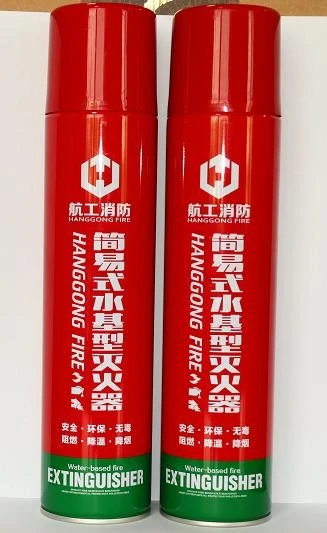
Best Fire Extinguisher for Kitchen
The best fire extinguisher in the kitchen allows you to defend the safety of your family in the event of a fire, marking another priceless treasure of memory.
Features
Manufacturer!
Shandong Hanggong Fire Technology Co., LTD. High-end environmental protection fire-fighting equipment production base covers an area of 10,000 square meters, building area of 8,000 square meters. With a total investment of 300 million yuan, the project is mainly used for the production of various types of fire extinguishers, water extinguishing agents and other fire-fighting equipment, with an annual output of 9 million sets of water-based fire-fighting equipment of various types and 30,000 tons of water extinguishing agents.
Rich Product Variety
The project is mainly used to produce various types of fire extinguishers, water-based fire extinguishing agents and other fire-fighting equipment, with an annual output of 9 million sets of various types of water-based fire-fighting equipment and 30,000 pieces of fire-fighting equipment.
Wide Application of Products
ABCEF fire can be fully rescued except for combustible metal fires, and can insulate 36kv electricity, which is the best choice for rescuing electrical fires.
Advanced Production Equipment
Our company has advanced simple water-based fire extinguisher production lines, portable water-based fire extinguisher production lines, fire extinguishing agent production lines and fire extinguisher nitrogen drive production lines.
Leading Service
We have many years of industry experience and a complete production management, quality supervision and sales service operation system. Whether you want to buy water-based fire extinguishers or portable water-based fire extinguishers, just send your needs by email and we can customize products for you.

There are many different types of fire extinguishers on the market, but the portable water-based fire extinguisher is one of the most popular. This type of extinguisher is perfect for those who want to have a quick and easy way to put out small fires.

Efficient water-based fire extinguishing equipment produced by our company: simple MSJ600, portable 2L 3L 6L pushcart 25L/45L, hand-thrown fire bombs 350ml, 450ml and 600ml, with the following types of fire fighting.

Suitable for car and family. It is delicate in appearance and easy to carry. Easy to operate. Can be placed in the door, trunk and other positions.

Compared with the traditional fire extinguisher, the weight is small, portable, conducive to the first time to arrive at the disposal, timely fire extinguishing, and extinguishing area is wider, with efficient fire extinguishing, flame retardant cooling, non-toxic smoke control and other effects. And 100% biodegradable, no pollution after extinguishing.

Portable Fire Fighting Equipment
There are many types of fire extinguishers, which can be divided into simple type, portable type and trolley type according to their mode of operation; According to the filled fire extinguishing agent can be divided into: water base, foam, dry powder, carbon dioxide, water and so on.

MSTZ/25 (45) cart type water based fire extinguisher produced by our company has the characteristics of fast fire extinguishing, smoke elimination, cooling, reignition resistance, and fire extinguishing agent can be 100% biodegradable.

The device also belongs to the 18th century technology product - pressure storage fire extinguisher. This type of fire extinguisher has an effective spray time.

Portable Foam Fire Extinguisher
Dry powder fire extinguisher is a common kind of fire extinguisher in our daily life and work, because dry powder fire extinguisher poor performance, pollution to the human body and the surrounding environment, and short shelf life and other shortcomings.

Fire is one of the common accidents in restaurants. Since fire sources are often found in kitchens and cooking areas, it is essential to have a restaurant fire extinguisher in these areas.
A fire extinguisher for kitchen use, often referred to as a kitchen fire extinguisher, is a specialized type of firefighting equipment designed to handle fires common in kitchen environments. These fires, categorized as Class F or K in some jurisdictions, typically involve cooking oils, fats, and grease, which require specific firefighting agents to extinguish safely and effectively.
Understanding Best Fire Extinguisher for Kitchen
Classes
Class A: Ordinary Combustibles
Class A extinguishers are designed to extinguish fires involving ordinary combustible materials such as wood, paper, cloth, and many plastics. These are the most common types of house fires. Class A extinguishers typically use water or foam to cool and quench the fire.
Class B: Flammable Liquids
These extinguishers are effective against fires involving flammable liquids such as gasoline, oil, grease, and some paints. Class B extinguishers often use dry chemicals or carbon dioxide to smother the fire and prevent reignition.
Class C: Electrical Fires
Class C extinguishers are specifically for fires involving energized electrical equipment. They use non-conductive agents like carbon dioxide or dry chemicals to extinguish the fire without risking electrical shock to the user.
Class D: Flammable Metals
While less common in household settings, Class D extinguishers are designed for fires involving combustible metals such as magnesium, titanium, and sodium. These specialized extinguishers use dry powder agents to smother and cool the fire.
Class K: Kitchen Fires
Class K extinguishers are specifically for kitchen fires involving cooking oils and fats. They use a fine mist of potassium compounds to create a soapy foam that cools and smothers the fire, preventing re-ignition.
How To Use A Fire Extinguisher: The PASS Technique
Step 1: Pull The Pin
The first step is to pull the pin at the top of the extinguisher. This breaks the tamper seal and allows you to discharge the extinguisher.
Step 2: Aim At The Base Of The Fire
Aim the nozzle or hose at the base of the fire - not at the flames. This is crucial, as you want to extinguish the source of the fire, not just the visible flames.
Step 3: Squeeze The Lever
Squeeze the lever slowly and evenly. This releases the extinguishing agent. Some extinguishers may have a button instead of a lever.
Step 4: Sweep From Side To Side
Using a sweeping motion, move the nozzle from side to side at the base of the fire. Continue until the fire appears to be out. Watch the area carefully for re-ignition and repeat the process if necessary.
How to Maintain Best Fire Extinguisher for Kitchen
Regular Inspections
Check the extinguisher monthly to ensure it is not damaged and the pressure gauge is in the operable range.
Annual Professional Servicing
Have the extinguisher serviced by a qualified professional annually. They will check for any issues and refill or replace the extinguisher if necessary.
Hydrostatic Testing
Water-based extinguishers should undergo hydrostatic testing every 5 to 12 years, depending on the manufacturer's guidelines. This test ensures the extinguisher can withstand the pressure when in use.
Proper Storage
Store the extinguisher in an accessible location, free from extreme temperatures and humidity, which can affect its performance.
Refill After Use
If you use the extinguisher, even partially, it should be refilled or replaced immediately to ensure it is ready for the next emergency.

Not Suitable for All Fire Classes
Water-based extinguishers are ineffective against Class B (flammable liquids), Class C (flammable gases), and Class D (metal) fires. Using water on these types of fires can be dangerous and exacerbate the situation.
Electrical Hazards
Water conducts electricity, making water-based extinguishers unsuitable for fires involving live electrical equipment unless specifically designed as water mist extinguishers.
Freezing Risk
In cold environments, water-based extinguishers can freeze, rendering them unusable. Proper storage and maintenance are essential to prevent this issue.
Potential for Water Damage
While effective at extinguishing fires, the use of water can cause collateral damage to property, particularly in settings with sensitive equipment or documents.
Certificate


Frequently Asked Questions
Hot Tags: best fire extinguisher for kitchen, China best fire extinguisher for kitchen manufacturers, suppliers, factory, water based fire extinguisher fire suppression system, simple fire extinguisher, fire extinguisher for immediate action, water based fire extinguisher cylinder, water based fire extinguisher buy, water based fire extinguisher team training
You Might Also Like


Send Inquiry
