

Are there any safety precautions when using a 4a Fire Extinguisher?
As a supplier of 4A Fire Extinguishers, safety is our top priority. In this blog, I will delve into the essential safety precautions when using a 4A Fire Extinguisher, ensuring that you can handle fire emergencies effectively and safely.
Understanding the 4A Fire Extinguisher
Before discussing safety precautions, it's crucial to understand what a 4A Fire Extinguisher is. The "4A" rating indicates the extinguisher's effectiveness against Class A fires, which involve ordinary combustibles such as wood, paper, cloth, and plastics. These extinguishers are designed to cool the fire and prevent re - ignition by smothering the flames and absorbing heat.
Pre - use Safety Precautions
Inspection
- Regular Checks: It is essential to conduct regular inspections of the 4A Fire Extinguisher. Check the pressure gauge to ensure that it is in the green zone, indicating that the extinguisher is pressurized correctly. A pressure gauge in the red zone may mean that the extinguisher is under - or over - pressurized and may not function properly.
- Physical Damage: Examine the body of the extinguisher for any signs of physical damage, such as dents, rust, or cracks. These can compromise the integrity of the extinguisher and lead to malfunction during use.
- Seals and Tampering: Check the safety seal and pin. If the seal is broken or the pin is missing, it could indicate that the extinguisher has been tampered with or used. In such cases, have the extinguisher inspected by a professional.
Training
- Proper Training: Ensure that all potential users of the 4A Fire Extinguisher receive proper training. Training should cover the basic principles of fire safety, how to operate the extinguisher correctly, and when it is appropriate to use it. This can be done through on - site training sessions or online courses.
- Familiarization: Users should be familiar with the location of the fire extinguisher in the building. They should also know how to access it quickly in case of an emergency.
During - use Safety Precautions
Fire Assessment
- Size and Type of Fire: Before using the 4A Fire Extinguisher, assess the size and type of the fire. A 4A Fire Extinguisher is suitable for small to medium - sized Class A fires. If the fire is too large, spreading rapidly, or involves other classes of fire (such as Class B, C, D, or K), do not attempt to use the 4A extinguisher. Instead, evacuate the area immediately and call the fire department.
- Ventilation: Be aware of the ventilation in the area. In some cases, opening windows or doors can provide more oxygen to the fire, causing it to spread. Only ventilate the area if it is safe to do so and if it will help to control the fire.
Operating the Extinguisher
- PASS Method: The PASS method is a simple way to remember how to operate a fire extinguisher. "P" stands for Pull the pin, "A" for Aim at the base of the fire, "S" for Squeeze the handle, and "S" for Sweep from side to side.
- Pull the Pin: Pull the safety pin out of the extinguisher. This releases the locking mechanism and allows you to operate the extinguisher.
- Aim at the Base: Aim the nozzle or hose of the extinguisher at the base of the fire, not at the flames. This is where the fuel source is located, and extinguishing the base of the fire will help to put it out more effectively.
- Squeeze the Handle: Squeeze the handle slowly and steadily to release the extinguishing agent.
- Sweep from Side to Side: Sweep the nozzle or hose from side to side across the base of the fire until it is extinguished.
Personal Safety
- Distance: Maintain a safe distance from the fire when using the extinguisher. The distance may vary depending on the size and intensity of the fire, but generally, stay at least 6 - 8 feet away.
- Protective Gear: If possible, wear appropriate protective gear, such as heat - resistant gloves and goggles. This can protect you from heat, sparks, and flying debris.
- Escape Route: Always keep an escape route open behind you. In case the fire gets out of control or the extinguisher malfunctions, you can quickly evacuate the area.
Post - use Safety Precautions
Fire Monitoring
- Re - ignition: After using the 4A Fire Extinguisher, monitor the area for at least 10 - 15 minutes to ensure that the fire does not re - ignite. Some fires, especially those involving smoldering materials, can re - ignite even after they appear to be extinguished.
- Residual Heat: Be aware of residual heat in the area. The area may still be hot, and there is a risk of burns if you come into contact with it.
Extinguisher Maintenance
- Re - charge or Replace: Once the 4A Fire Extinguisher has been used, it must be re - charged or replaced. A used extinguisher may not function properly in the event of another fire. Contact a professional fire extinguisher service provider to have the extinguisher re - charged or replaced.
- Documentation: Keep a record of the extinguisher's use, including the date, time, location, and size of the fire. This documentation can be useful for insurance purposes and for future fire safety planning.
Additional Considerations
Compatibility with Other Fire Extinguishers
- Mixing Agents: Do not mix different types of fire extinguishing agents. Using a 4A Fire Extinguisher in combination with other types of extinguishers can lead to chemical reactions that may be dangerous.
- Placement: When placing fire extinguishers in a building, ensure that they are compatible with the potential fire hazards in the area. For example, in an area where there is a risk of Class A fires, place 4A Fire Extinguishers. In areas where there is a risk of other classes of fire, place appropriate extinguishers.
Environmental Impact
- Disposal: When disposing of a 4A Fire Extinguisher, follow local environmental regulations. Some extinguishing agents can be harmful to the environment if not disposed of properly.
- Sustainable Options: Consider using environmentally friendly fire extinguishers. Some 4A Fire Extinguishers use biodegradable or non - toxic extinguishing agents, which are less harmful to the environment.
Conclusion
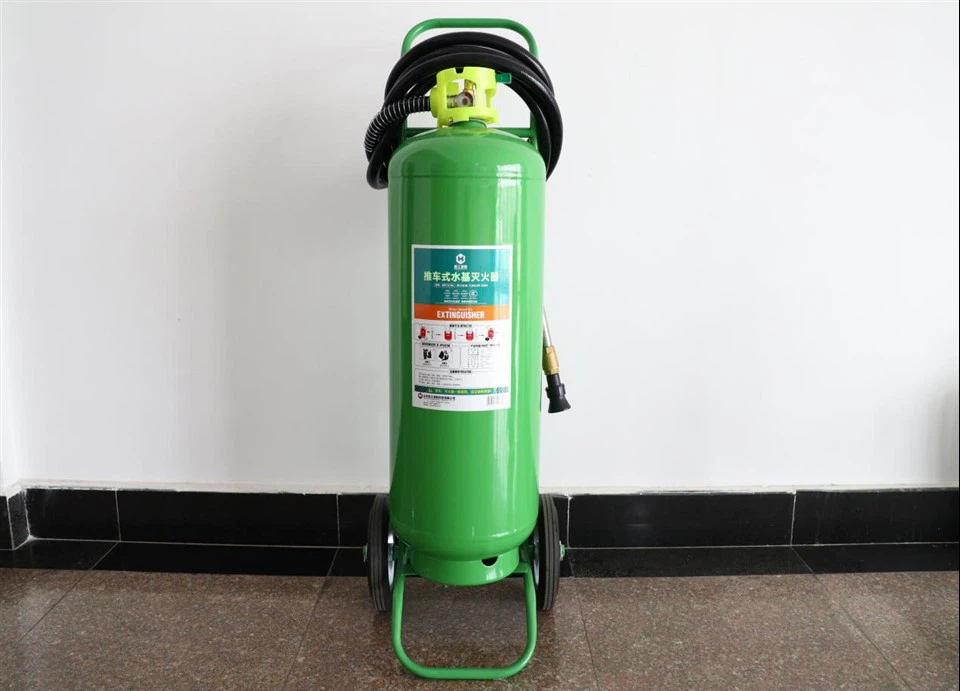
Using a 4A Fire Extinguisher can be a life - saving measure in the event of a Class A fire. However, it is essential to follow the safety precautions outlined above to ensure that you use the extinguisher effectively and safely. As a supplier of 4A Fire Extinguishers, we are committed to providing high - quality products and promoting fire safety. If you are interested in purchasing our 4A Fire Extinguishers or have any questions about fire safety, please feel free to contact us for further discussion. We also offer a range of related products such as Big Fire Extinguisher, Large Fire Extinguisher and Industrial Fire Extinguishers.

References
- National Fire Protection Association (NFPA). NFPA 10: Standard for Portable Fire Extinguishers.
- Occupational Safety and Health Administration (OSHA). Fire Extinguishers - General Requirements.
- International Association of Fire Chiefs (IAFC). Fire Safety Guidelines for Residential and Commercial Buildings.