

Products
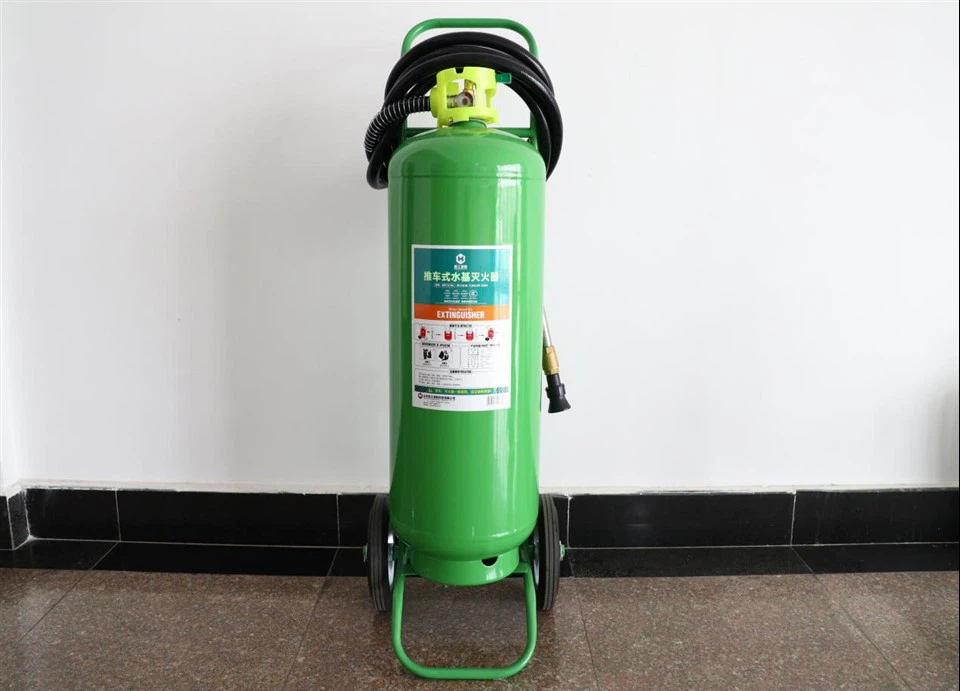


Big Fire Extinguisher
A variety of applications: large fire extinguishers are used in a variety of situations, such as oil tank fire, extremely high part of the building fire, machinery and equipment fire, etc.
Features
Shandong Hanggong Fire Technology Co., LTD. High-end environmental protection fire-fighting equipment production base covers an area of 10,000 square meters, building area of 8,000 square meters. With a total investment of 300 million yuan, the project is mainly used for the production of various types of fire extinguishers, water extinguishing agents and other fire-fighting equipment, with an annual output of 9 million sets of water-based fire-fighting equipment of various types and 30,000 tons of water extinguishing agents.
Rich Product Variety
The project is mainly used to produce various types of fire extinguishers, water-based fire extinguishing agents and other fire-fighting equipment, with an annual output of 9 million sets of various types of water-based fire-fighting equipment and 30,000 pieces of fire-fighting equipment.
Wide Application of Products
ABCEF fire can be fully rescued except for combustible metal fires, and can insulate 36kv electricity, which is the best choice for rescuing electrical fires.
Advanced Production Equipment
Our company has advanced simple water-based fire extinguisher production lines, portable water-based fire extinguisher production lines, fire extinguishing agent production lines and fire extinguisher nitrogen drive production lines.
Leading Service
We have many years of industry experience and a complete production management, quality supervision and sales service operation system. Whether you want to buy water-based fire extinguishers or portable water-based fire extinguishers, just send your needs by email and we can customize products for you.
A Big Fire Extinguisher is a portable or movable fire-fighting device designed to extinguish or control small fires in emergency situations before they escalate. They are commonly found in almost all public places, including offices, schools, vehicles, and homes, and are an essential component of fire safety and emergency preparedness.

25kg Water-Based Fire Extinguishe
When using a 25 L water based fire extinguisher, point the extinguisher at the source of the fire and pull the trigger to shoot water at the source of the fire.

Fire Extinguisher For Gas Station
The commonly used gas station fire extinguishers include dry powder fire extinguisher, carbon dioxide fire extinguisher, foam fire extinguisher and water based fire extinguisher.

Fire extinguishing principle of trolley fire extinguisher: According to different extinguishing medium, the fire extinguishing principle of trolley fire extinguisher is also different.

45kg Water-Based Fire Extinguisher
The 45 L water base type extinguisher is a special type of fire extinguishing equipment, consisting of a container filled with water and an operating handle. It is suitable for extinguishing all kinds of buildings, especially for the occasion that dry powder extinguishers can not be used when extinguishing.

Large fire extinguisher is a device used in fire extinguishing system and fire extinguishing equipment. It refers to a fire extinguisher with large volume and extinguishing agent capacity.

Use method: The use method of 25kg fire extinguisher is similar to other fire extinguishers. When in use, it is necessary to place the extinguisher on the ground steadily, remove the safety pin, press the handle on the extinguisher, and spray the extinguishing agent to the fire source.

Water Filled Fire Extinguisher
Fire-fighting effect: Water-filled extinguisher can be used for fire-fighting, cooling, oxygen control and other functions, but not applicable to fuel oil, natural gas and electrical appliances caused by A, B, C, D and other types of fire.

Types of garage fire extinguishers: Common types of garage fire extinguishers include dry powder fire extinguishers, CO2 fire extinguishers and foam fire extinguishers.

Types of wheeled fire extinguishers: Wheeled fire extinguishers are usually divided into dry powder wheeled fire extinguishers, carbon dioxide wheeled fire extinguishers, foam wheeled fire extinguishers, water based fire extinguishers and so on.
Types of Big Fire Extinguisher
Pressurized Water Models
These are your recognizable red extinguishers with a white symbol and appropriate for use on Class A fires only. These are used for common wood, paper, and fabric fires and must never be used on electrical or flammable-liquid fires.
Carbon Dioxide
These extinguishers contain pressurized liquid carbon dioxide, which turns to a gas when expelled. These models are rated for use on Class B and C fires (flammable liquids and electrical fires) but can be used on a Class A fire. Carbon dioxide displaces oxygen and does not leave residue.
Dry Chemical
These versatile extinguishers are either stored-pressure models or cartridge-operated models and are suitable for Class A, B, and C fires. They are characterized by a white or pale-yellow color and prominently marked with symbols representing multiple fire classes. The extinguisher contains a dry chemical powder, typically monoammonium phosphate or ammonium sulfate, which forms a barrier over the fuel, suppressing the flames and preventing re-ignition.
Ammonium Phosphate
The dry chemical in this extinguisher can be used on Class A, B, and C fires, but should never be used on a fire in a commercial grease fryer because of the possibility of reflash and because it will render the fryer's automatic fire-protection system less effective.
Sodium Bicarbonate
This is a dry chemical extinguisher, suitable for fighting Class B and C fires. It is preferred over other dry-chemical extinguishers for fighting grease fires. Where provided, always use the extinguishing system first. This also shuts off the heat to the appliance.
Foam (OR afff & fffp) Extinguishers
Coat the surface of a burning flammable liquid with a chemical foam. When using a foam extinguisher, blanket the entire surface of the liquid to exclude the air.
Visual Inspections
Make it a habit to inspect your fire extinguisher every month for any signs of damage. Dents, rust, or leaks can impair the structural integrity of the extinguisher. Monthly inspections also ensure that the device is readily accessible during a fire.
Check the Pressure Gauge
Examining the pressure gauge is essential for gauging the extinguisher's readiness. The pressure gauge offers a visual indicator of the internal pressure, and a dial in the green section implies the unit is pressurized sufficiently for effective use in case of a fire.
Examine the Inspection Tag
The inspection tag is a significant record of the extinguisher's maintenance history. Always check the inspection tag to ensure your device has undergone scheduled inspections. Doing so assures you that the extinguisher has been adequately maintained and adheres to safety standards.
Shake It Up
Fire extinguishers that use dry chemical powder as the dousing agent should be gently shaken to keep the powder from settling at the bottom of the cylinder over time. Doing so maintains the uniform distribution of the dousing agent, guaranteeing its effectiveness when needed.
Clean It
A clean exterior not only entails aesthetics; it's about functionality, too. Be sure to wipe away dust and dirt, as this helps preserve the visibility of the labels and instructions. Clear instructions promote quick and precise fire extinguisher use in high-pressure situations.
Recharge After Use
Recharging your fire extinguisher after its contents are depleted is like replenishing its energy. If you use the extinguisher, even partly, recharge immediately to face the subsequent fire threats.
Professional Inspections
As much as personal inspections are invaluable, professionals bring an extra layer of expertise. Approved fire protection professionals thoroughly examine and address hidden issues that might evade routine monthly checks. Their insights add to the long-term reliability of your fire extinguisher.
Know When to Replace
Knowing when to replace your fire extinguisher ensures you don't depend on expired equipment. Even when not used, a defunct unit lacks the reliability and improvements found in the latest models.
Classes of Big Fire Extinguisher
Class A
Class A Fire extinguishers are used for fires involving standard combustible materials such as wood, paper, cloth, plastics, and rubber. Depending on the specific type of extinguisher, it may use high pressure water, foam, or dry chemical agents to smother and cool the flames. Class A fire extinguishers are the most common solution for safety use in standard home, office, and school environments.
Class B
Class B Fire extinguishers are designed for extinguishing flammable liquid fires, including gasoline, oil, grease, and solvents. These are commonly filled with dry chemical agents like carbon dioxide (CO2), dry powder, or foam to suffocate the fire and prevent re-ignition.
Class C
Class C Fire extinguishers are primarily used to combat electrical fires, where the source of the fire involves live electrical equipment. Because of the electrical nature of the fire, the extinguishers contain non-conductive extinguishing agents-such as CO2 or dry chemical powder-to extinguish the flames without conducting electricity.
Class D
Class D Fire extinguishers are tailored for fires fueled by combustible metals, such as magnesium, titanium, potassium, and sodium. To combat this, the fire extinguishers are loaded with specialized dry powder agents designed to absorb heat and smother the fire.
Class K
Class K Fire extinguishers are specially designed for fires that involve cooking oils, grease, and fats typically found in kitchens. Restaurants and other buildings such as a school, nursing home, or retail space are examples of locations that might require Class K fire extinguishers. To put out these fires, the extinguishers contain liquid agents like potassium acetate or potassium citrate to quickly convert and cool down the burning oils. It is important to note that using a Class A water-based extinguisher on oils and grease can make the situation worse.
Certificate


Frequently Asked Questions
Hot Tags: big fire extinguisher, China big fire extinguisher manufacturers, suppliers, factory, water-based fire extinguisher cart for local fire safety, cart water-based fire extinguisher, modern looking water based fire extinguisher cart, large volume water based fire extinguisher on cart, water based fire extinguisher cart for import, fast action water based fire extinguisher on cart
You Might Also Like


Send Inquiry
