

Can a fire extinguisher be used on a fire in a hospital ward?
Can a fire extinguisher be used on a fire in a hospital ward? That's a question that's been on my mind a lot lately, especially since I'm in the business of supplying fire extinguishers. Let's dig into this topic and see what we can find out.
First off, hospitals are super important places. They're full of sick people, lots of medical equipment, and all sorts of flammable stuff like oxygen tanks and cleaning chemicals. So, when a fire breaks out in a hospital ward, it's a big deal.
Now, not all fires are the same. There are different classes of fires, and each type needs a specific kind of fire extinguisher. Class A fires involve ordinary combustibles like wood, paper, and cloth. Class B fires are fueled by flammable liquids such as gasoline and oil. Class C fires involve energized electrical equipment, and Class D fires are caused by combustible metals. There's also Class K fires, which are in cooking appliances that use vegetable oils or animal fats.
In a hospital ward, you're likely to encounter Class A, B, and C fires. For Class A fires, a water-based fire extinguisher can be a great choice. It's simple and effective at putting out fires caused by common materials. You can check out our Office Fire Extinguisher for an example of a water-based option that could work well in a hospital setting.
But here's the thing. Using a fire extinguisher in a hospital ward isn't as straightforward as it might seem. There are some unique challenges. For one, there are patients who might be in a vulnerable state. The noise and the discharge from the fire extinguisher could be really scary for them. And if you're using a water-based extinguisher on an electrical fire (Class C), that's a big no-no. Water conducts electricity, and using a water extinguisher on an electrical fire could put you and others in danger.
For Class B fires, you'll need a dry chemical or foam fire extinguisher. These can quickly smother the flames and prevent the flammable liquid from reigniting. And when it comes to Class C fires, you should use a fire extinguisher that's specifically designed for electrical fires. These usually have a non-conductive agent that can safely put out the fire without causing an electrical shock.
Our Restaurant Fire Extinguisher can also be a good option in a hospital, especially considering that hospitals have kitchens and areas where flammable liquids might be present. It's designed to handle different types of fires and can be a reliable tool in an emergency.
Another important factor is the environment in a hospital ward. There are often sensitive medical devices and equipment. Using the wrong type of fire extinguisher could damage these devices, which can be really expensive to replace and could also disrupt patient care.
That's where our Eco Friendly Fire Extinguisher comes in handy. It's not only good for the environment, but it's also less likely to cause damage to delicate equipment. It uses a non-toxic and non-corrosive agent that can effectively put out fires without leaving a mess or causing harm to the surroundings.
Before using a fire extinguisher in a hospital ward, it's crucial to assess the situation. Make sure you know what type of fire you're dealing with. If it's a small fire and you're confident in your ability to use the extinguisher safely, go ahead. But if the fire is spreading quickly or if you're not sure what to do, it's best to evacuate the area and let the professionals handle it.
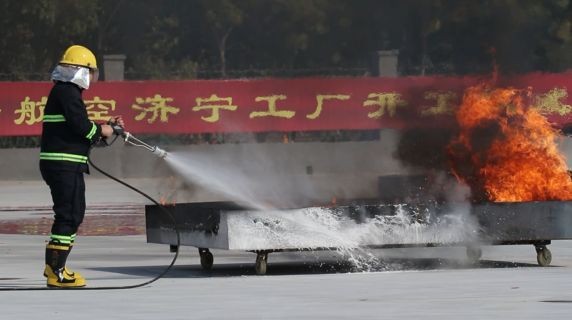

Training is also key. Hospital staff should be trained on how to use fire extinguishers properly. They need to know which type of extinguisher to use for different fires and how to operate it safely. Regular fire drills and training sessions can help ensure that everyone in the hospital is prepared in case of a fire.
As a fire extinguisher supplier, we understand the importance of providing the right products for different situations. We offer a range of fire extinguishers that are suitable for hospital wards and other settings. Our products are tested and meet all the necessary safety standards.
If you're in charge of fire safety in a hospital or any other facility, we'd love to talk to you. We can help you choose the right fire extinguishers for your needs and provide you with all the information you need about installation, maintenance, and training. Contact us today to start a conversation about how we can help keep your facility safe from fires.
In conclusion, a fire extinguisher can be used on a fire in a hospital ward, but it has to be the right type and used correctly. With the right products and proper training, you can help prevent fires from getting out of control and protect the lives and property in a hospital. So, don't hesitate to reach out to us if you have any questions or if you're looking for high-quality fire extinguishers.
References
- NFPA 10: Standard for Portable Fire Extinguishers
- Hospital Fire Safety Guidelines by the Centers for Disease Control and Prevention (CDC)
- Fire Protection Handbook published by the National Fire Protection Association (NFPA)