

How do I transport a garage fire extinguisher safely?
Hey there! I'm a supplier of Garage Fire Extinguishers, and I often get asked about how to transport these crucial safety devices safely. It's not as straightforward as just tossing them in the back of a truck. In this blog, I'll share some practical tips and guidelines to ensure you can move your garage fire extinguishers without any hitches.

Understanding the Basics
First things first, you need to know what kind of fire extinguisher you're dealing with. There are different types, like water-based, dry chemical, and CO2 extinguishers. Each has its own set of rules for safe transport.
For instance, water-based fire extinguishers, like the 6a Fire Extinguisher, are pretty common in garages. They're great for putting out fires caused by ordinary combustibles like wood, paper, and cloth. But they need to be transported upright to prevent leakage. If they tip over, the water might start seeping out, which can damage the extinguisher and reduce its effectiveness.
On the other hand, dry chemical extinguishers are more versatile and can handle different types of fires, including those involving flammable liquids and electrical equipment. They're usually more robust when it comes to transportation, but you still need to make sure they're secured properly.
Pre - Transport Checks
Before you even think about loading the fire extinguishers into your vehicle, you should do a quick inspection. Check for any visible damage, like dents, cracks, or leaks. If you notice any issues, don't transport the extinguisher. It could be a safety hazard.
Also, make sure the pressure gauge on the extinguisher is in the green zone. This indicates that the extinguisher is properly pressurized and ready to use. If the gauge is in the red, it means the pressure is too low, and the extinguisher might not work when you need it.
Another important thing is to check the expiration date. Fire extinguishers have a limited lifespan, and using an expired one can be dangerous. If an extinguisher is past its expiration date, it's best to replace it with a new one, like the ones from our range of Industrial Fire Extinguishers.
Choosing the Right Vehicle
The type of vehicle you use for transporting fire extinguishers matters a lot. You want a vehicle that can provide a stable and secure environment for the extinguishers.
A van or a truck with a flatbed and sides is a good choice. It allows you to load the extinguishers easily and keep them from falling off during transit. If you're using a car, make sure there's enough space in the trunk or back seat to accommodate the extinguishers without them being crushed or jostled around too much.
Avoid transporting fire extinguishers in open - bed pickups during bad weather. Rain, snow, or extreme heat can damage the extinguishers. If you have to use a pickup, cover the extinguishers with a tarp to protect them from the elements.
Loading the Fire Extinguishers
When it's time to load the fire extinguishers, be careful. Lift them gently to avoid any sudden movements that could cause damage. As I mentioned earlier, water - based extinguishers should be loaded upright. You can use straps or bungee cords to secure them in place so they don't tip over.
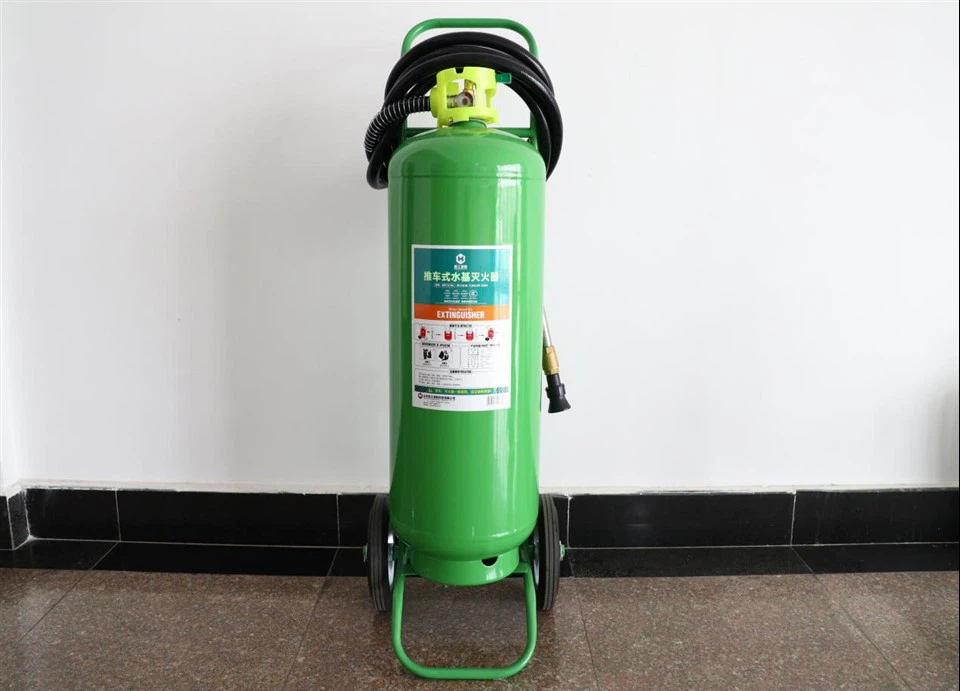
For larger extinguishers, like the Big Fire Extinguisher, you might need some help. Don't try to lift them by yourself if they're too heavy. Use a forklift or a hoist if available.
Arrange the extinguishers in an orderly manner. Try to stack them evenly so that the weight is distributed evenly in the vehicle. This will prevent the vehicle from becoming unbalanced during transit.
During Transit
Once the fire extinguishers are loaded and secured, drive carefully. Avoid sudden stops, starts, and sharp turns. These can cause the extinguishers to shift and potentially get damaged.
Keep an eye on the temperature inside the vehicle. Extreme heat can cause the pressure inside the fire extinguishers to rise, which could lead to an explosion. If it's a hot day, try to park in the shade or use a vehicle with air - conditioning.
Also, make sure to take regular breaks during long - distance trips. Check the extinguishers to see if they're still secure and in good condition. If you notice any changes, like a loose strap or a damaged extinguisher, stop and address the issue immediately.
Unloading the Fire Extinguishers
When you reach your destination, it's time to unload the fire extinguishers. Again, be gentle and use proper lifting techniques. Remove the straps or bungee cords carefully and lift the extinguishers out one by one.
Place the extinguishers in a safe and dry location. If they're going to be stored in a garage, make sure they're mounted on the wall at a convenient height, where they're easy to reach in case of a fire.
Why Safety in Transport Matters
Transporting fire extinguishers safely isn't just about following the rules. It's about ensuring that these life - saving devices are in good working condition when you need them. A damaged or poorly transported fire extinguisher might not work when there's a fire in your garage, which could lead to a much more serious situation.
By taking the time to transport your fire extinguishers safely, you're not only protecting your investment but also the safety of yourself, your employees, and your property.
Conclusion
Transporting garage fire extinguishers safely is a multi - step process that requires attention to detail. From pre - transport checks to proper loading, transit, and unloading, every step is crucial.
If you're in the market for high - quality fire extinguishers or need more advice on their transportation, don't hesitate to reach out. We're here to help you make the right choices for your garage's safety. Whether you need a single 6a Fire Extinguisher or a whole set of Industrial Fire Extinguishers, we've got you covered.
References
- NFPA (National Fire Protection Association) standards on fire extinguisher safety and transportation.
- Manufacturer's guidelines for different types of fire extinguishers.