

How to check the pressure of a wheeled fire extinguisher?
As a supplier of Wheeled Fire Extinguishers, I understand the critical importance of maintaining the proper pressure in these life - saving devices. In this blog, I will guide you through the process of checking the pressure of a wheeled fire extinguisher, ensuring that it is always ready to be deployed in case of an emergency.
Why is Pressure Check Important?
The pressure in a wheeled fire extinguisher is what propels the extinguishing agent out of the nozzle when it is activated. If the pressure is too low, the extinguisher may not discharge the agent effectively, leaving you unable to control a fire. On the other hand, if the pressure is too high, it can pose a safety risk, potentially causing the extinguisher to rupture. Regular pressure checks are essential to guarantee the reliability and safety of your wheeled fire extinguisher.
Types of Wheeled Fire Extinguishers
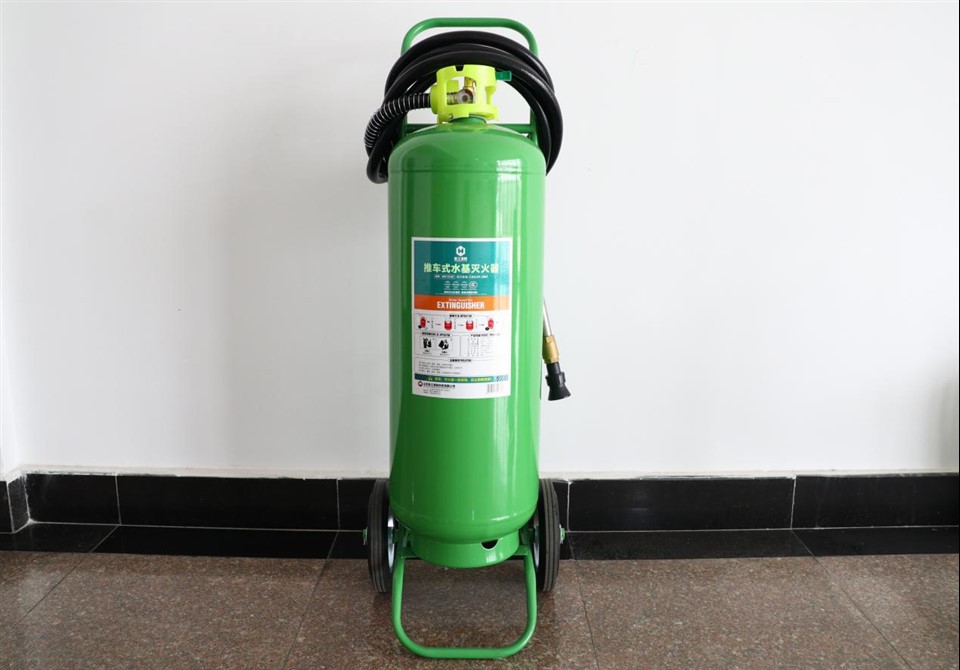
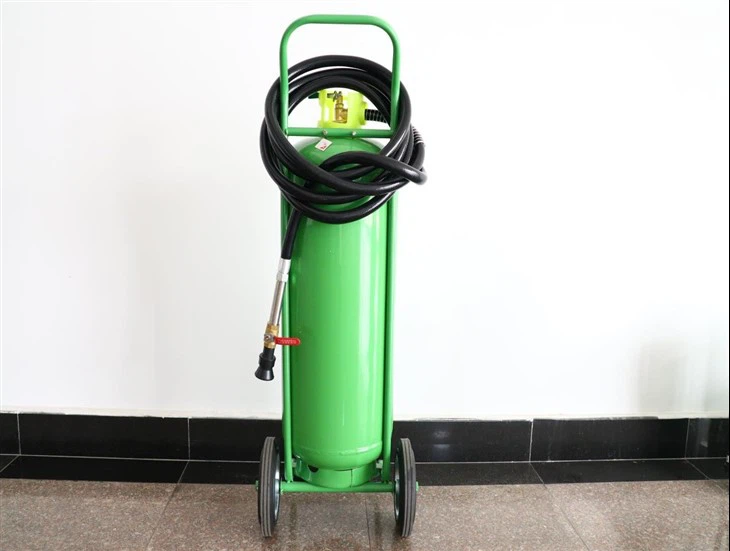
Before diving into the pressure - checking process, it's important to understand the different types of wheeled fire extinguishers. The most common type is the Water Filled Fire Extinguisher, which uses water as the extinguishing agent. These are suitable for Class A fires, which involve ordinary combustibles such as wood, paper, and cloth.
There are also wheeled fire extinguishers filled with other agents like dry chemicals, foam, or carbon dioxide, each designed to tackle specific types of fires. Regardless of the type, the basic principle of pressure checking remains similar.
Tools Required for Pressure Check
To check the pressure of a wheeled fire extinguisher, you will need the following tools:
- Pressure Gauge: A specialized pressure gauge that is compatible with your fire extinguisher model. Most wheeled fire extinguishers come with a built - in pressure gauge, but in some cases, you may need an external gauge.
- Safety Gloves and Goggles: These protect you from any potential hazards during the pressure - checking process.
- Flashlight: Useful for inspecting the pressure gauge, especially in poorly lit areas.
Step - by - Step Pressure Checking Process
Step 1: Visual Inspection
Before using the pressure gauge, conduct a visual inspection of the wheeled fire extinguisher. Look for any signs of damage, such as dents, cracks, or corrosion on the body of the extinguisher. Check the hoses, nozzles, and valves for any signs of wear or leakage. If you notice any significant damage, do not attempt to check the pressure. Instead, contact a professional for further assessment and repair.
Step 2: Locate the Pressure Gauge
Most wheeled fire extinguishers have a pressure gauge located on the top or side of the unit. The gauge is usually marked with a green, red, and yellow zone. The green zone indicates that the pressure is within the normal operating range, the red zone means the pressure is too low, and the yellow zone indicates that the pressure is too high.
Step 3: Check the Pressure
If your fire extinguisher has a built - in pressure gauge, simply read the value indicated on the gauge. Make sure to view the gauge at eye level to get an accurate reading. If the pointer is in the green zone, the pressure is normal, and the extinguisher is ready for use.
If your fire extinguisher does not have a built - in gauge or if you want to double - check the reading, you can use an external pressure gauge. First, ensure that the extinguisher is in a stable position. Then, carefully attach the external pressure gauge to the valve of the extinguisher according to the manufacturer's instructions. Once attached, open the valve slightly to allow the pressure to equalize between the extinguisher and the gauge. After a few seconds, read the pressure value on the gauge.
Step 4: Interpret the Results
- Green Zone: As mentioned earlier, if the pressure reading is in the green zone, the wheeled fire extinguisher is in good working condition. You can continue to store it in a designated location and perform regular maintenance checks.
- Red Zone: If the pressure is in the red zone, it means the extinguisher has lost pressure and may not function properly. Do not attempt to use the extinguisher. Instead, have it refilled and re - pressurized by a qualified professional.
- Yellow Zone: A pressure reading in the yellow zone indicates that the pressure is too high. This can be dangerous as it may cause the extinguisher to rupture. Do not use the extinguisher in this condition. Contact a professional immediately to relieve the excess pressure.
Frequency of Pressure Checks
The frequency of pressure checks depends on several factors, including the type of fire extinguisher, its usage environment, and local regulations. As a general rule, it is recommended to check the pressure of your wheeled fire extinguisher at least once a month. However, in high - humidity or high - temperature environments, more frequent checks may be necessary.
Additional Maintenance Tips
- Keep the Extinguisher Clean: Regularly clean the wheeled fire extinguisher to prevent dirt and debris from clogging the nozzles and valves.
- Store in a Suitable Location: Store the extinguisher in a cool, dry place away from direct sunlight and heat sources.
- Train Your Staff: Ensure that all employees or individuals who may need to use the fire extinguisher are trained on its proper use and maintenance.
Conclusion
Checking the pressure of a wheeled fire extinguisher is a simple yet crucial task that can mean the difference between successfully extinguishing a fire and facing a potentially dangerous situation. By following the steps outlined in this blog, you can ensure that your Wheeled Fire Extinguishers are always in good working condition.
If you are in the market for high - quality wheeled fire extinguishers, look no further than our Wheeled Fire Extinguisher range. Our products are designed to meet the highest safety standards and are backed by our expertise and commitment to quality. Contact us today to discuss your fire - safety needs and explore our wide selection of wheeled fire extinguishers.
References
- National Fire Protection Association (NFPA) standards on fire extinguisher maintenance.
- Manufacturer's manuals for wheeled fire extinguishers.