

How to store a wheeled fire extinguisher properly?
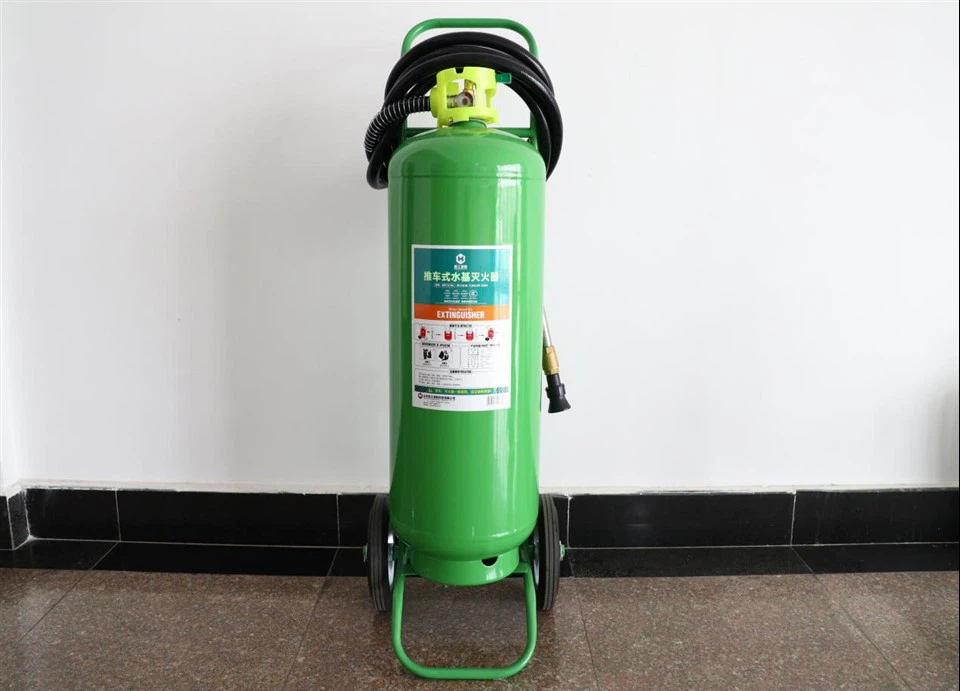
Hey there! As a supplier of wheeled fire extinguishers, I've seen firsthand the importance of proper storage. Wheeled fire extinguishers are hefty pieces of equipment designed to tackle large - scale fires, and storing them correctly is crucial for their effectiveness and longevity. In this blog, I'll share some tips on how to store a wheeled fire extinguisher properly.
1. Choose the Right Location
First off, you need to pick a suitable spot to store your wheeled fire extinguisher. The location should be easily accessible. You don't want to waste precious time searching for the extinguisher when a fire breaks out. It should be placed in an area where it won't be blocked by other items.
Also, the storage area should be dry. Moisture can cause the metal parts of the extinguisher to rust, which can damage the unit over time. Avoid storing it in basements or areas prone to flooding. If you're storing it in an industrial setting, make sure the area is well - ventilated to prevent the build - up of fumes that could potentially react with the extinguisher's contents.
Another thing to consider is the temperature. Wheeled fire extinguishers should be stored in an environment with a stable temperature. Extreme heat can cause the pressure inside the extinguisher to increase, which might lead to a malfunction. On the other hand, extreme cold can make the extinguishing agent thicken, reducing its effectiveness. A temperature range of around 40°F to 120°F (4°C to 49°C) is generally recommended.
2. Mounting or Positioning
Wheeled fire extinguishers are heavy, so they need to be positioned securely. You can use a specially designed stand or bracket to keep it in place. This not only prevents it from tipping over but also makes it easier to move when needed.
When positioning the extinguisher, make sure the wheels are in good condition and can roll freely. Check for any signs of damage or wear on the wheels regularly. You don't want to find out at the last minute that the wheels are stuck or broken when you're trying to move the extinguisher to fight a fire.
If you're storing multiple wheeled fire extinguishers, make sure there's enough space between them. This allows for easy access to each unit and also prevents them from knocking into each other, which could cause damage.
3. Protection from Physical Damage
Wheeled fire extinguishers are tough, but they can still be damaged by physical impacts. Keep them away from areas where they might be hit by moving equipment, forklifts, or other heavy objects. If possible, install barriers or guards around the storage area to protect the extinguishers.
Also, avoid storing sharp objects near the extinguisher. A puncture in the tank can be extremely dangerous and render the extinguisher useless. Regularly inspect the extinguisher for any signs of dents, scratches, or other damage. If you notice any issues, have the extinguisher checked by a professional immediately.
4. Labeling and Visibility
It's essential to clearly label the storage area of the wheeled fire extinguisher. Use bright, easy - to - read signs that indicate what type of extinguisher is stored there and how to operate it. This helps ensure that anyone in the area can quickly identify the extinguisher and know how to use it in an emergency.
Make sure the extinguisher itself is visible. Don't hide it behind large boxes or other items. If it's in a corner, consider using mirrors or reflective surfaces to improve its visibility. This way, even in a panic situation, people can easily locate the extinguisher.

5. Regular Maintenance Checks
Storing the wheeled fire extinguisher properly also involves regular maintenance checks. Check the pressure gauge on the extinguisher regularly. If the pressure is too low or too high, it could indicate a problem with the unit. A professional should be called to inspect and service the extinguisher if there are any pressure issues.
Inspect the hoses and nozzles for any signs of damage or blockages. Make sure the valve is working correctly and can be easily opened and closed. Also, check the expiration date of the extinguishing agent. Most wheeled fire extinguishers need to have their agent replaced after a certain period.
6. Compatibility with Surroundings
Consider the type of environment where the wheeled fire extinguisher is stored. For example, if it's in a chemical plant, you need to make sure the extinguisher is compatible with the types of chemicals used in the area. Different types of fires require different types of extinguishers, such as dry chemical, foam, or water - based. You can learn more about Industrial Fire Extinguishers on our website.
If you're dealing with large - scale fires, a 25kg Fire Extinguisher or a Big Fire Extinguisher might be more suitable. These larger units need to be stored and maintained with extra care due to their size and capacity.
Conclusion
Proper storage of wheeled fire extinguishers is not just about keeping them in a safe place. It's about ensuring that they're always in good working condition and ready to be used when needed. By following these tips, you can extend the lifespan of your wheeled fire extinguisher and increase its effectiveness in an emergency.
If you're interested in purchasing high - quality wheeled fire extinguishers or need more information about their storage and maintenance, feel free to reach out. We're here to help you make the right choices for your fire safety needs.
References
- National Fire Protection Association (NFPA) standards on fire extinguisher storage and maintenance.
- Manufacturer's guidelines for wheeled fire extinguishers.