

How to use an in - car fire extinguisher safely?
Car fires can be extremely dangerous, posing a significant threat to both the vehicle and its occupants. As an in-car fire extinguisher supplier, I understand the importance of knowing how to use these devices safely and effectively. In this blog post, I will provide you with a comprehensive guide on how to use an in-car fire extinguisher safely, covering everything from choosing the right extinguisher to the proper techniques for extinguishing a fire.
Choosing the Right In-Car Fire Extinguisher
Not all fire extinguishers are created equal, and choosing the right one for your car is crucial. There are several types of fire extinguishers available, each designed to combat specific types of fires. For cars, the most suitable types are Class B and Class C extinguishers. Class B extinguishers are designed to put out fires involving flammable liquids such as gasoline, oil, and grease, which are commonly found in vehicles. Class C extinguishers are used for fires involving energized electrical equipment, which is also a potential hazard in cars.
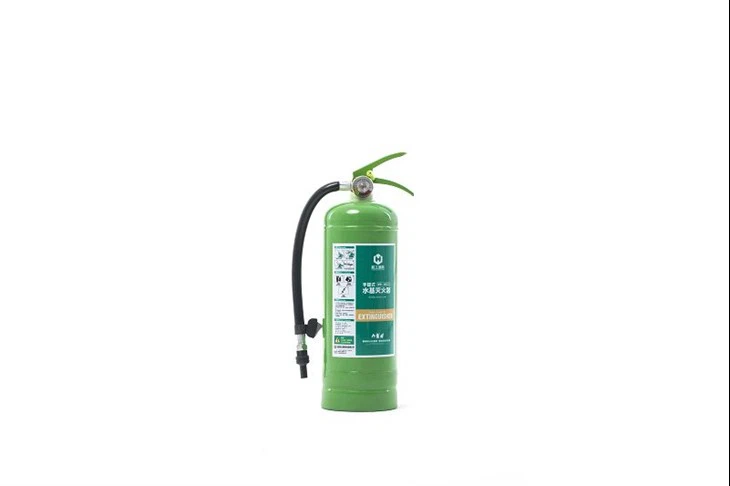
One popular option is the A Fire Extinguisher. This type of extinguisher is often water-based and can be effective against small fires. Another option is the Portable Foam Fire Extinguisher, which can smother fires by creating a foam blanket over the burning material, cutting off the oxygen supply. For those in the restaurant industry or other settings where different types of fires may occur, the Restaurant Fire Extinguisher may also have applications in cars, especially if it is a multi-purpose extinguisher.
When selecting an in-car fire extinguisher, consider its size, weight, and ease of use. A small, lightweight extinguisher is easier to handle and store in your vehicle. Look for an extinguisher with a clear label indicating the types of fires it can extinguish and the appropriate usage instructions.
Understanding the Basics of Fire Extinguishers
Before you can use a fire extinguisher safely, it's important to understand how it works. Most fire extinguishers operate on the principle of removing one or more of the three elements of the fire triangle: heat, fuel, and oxygen. By interrupting the chemical reaction that sustains the fire, the extinguisher can put it out.
Fire extinguishers typically have a pressure gauge that indicates whether the extinguisher is fully charged and ready for use. Check the gauge regularly to ensure that the extinguisher is in good working condition. If the gauge shows that the pressure is low, the extinguisher may need to be recharged or replaced.
Proper Storage of In-Car Fire Extinguishers
Proper storage of your in-car fire extinguisher is essential to ensure that it is readily available when needed. Store the extinguisher in a location that is easily accessible, such as under the seat or in the trunk. Avoid storing it in a place where it could be damaged or blocked by other items.
Make sure the extinguisher is securely fastened to prevent it from moving around while the vehicle is in motion. A loose extinguisher could become a projectile in the event of a sudden stop or collision, causing injury to the occupants.
Steps to Use an In-Car Fire Extinguisher Safely
Step 1: Assess the Situation
The first step when you encounter a fire in your car is to assess the situation. Determine the size and location of the fire. If the fire is small and contained, you may be able to use the fire extinguisher to put it out. However, if the fire is large, spreading rapidly, or if you are unsure of how to handle it, it is best to evacuate the vehicle immediately and call the fire department.
Step 2: Pull the Pin
Once you have decided to use the fire extinguisher, locate the pin at the top of the extinguisher. Pull the pin out to break the seal and activate the extinguisher. This step is often referred to as the "P" in the PASS method (Pull, Aim, Squeeze, Sweep).
Step 3: Aim at the Base of the Fire
Aim the nozzle of the extinguisher at the base of the fire, not at the flames. The base of the fire is where the fuel is located, and by targeting this area, you can more effectively extinguish the fire.
Step 4: Squeeze the Handle
Squeeze the handle of the extinguisher firmly to release the extinguishing agent. This step is the "S" in the PASS method. Keep squeezing the handle to maintain a continuous flow of the agent.

Step 5: Sweep from Side to Side
While squeezing the handle, sweep the nozzle of the extinguisher from side to side across the base of the fire. This helps to cover a larger area and ensure that the entire fire is extinguished. Continue sweeping until the fire is completely out.
Precautions and Safety Tips
- Wear Protective Gear: If possible, wear protective gloves and goggles to protect yourself from the heat and chemicals in the fire extinguisher.
- Maintain a Safe Distance: Stand at a safe distance from the fire to avoid being burned or injured by flying debris. As a general rule, stay at least 6 to 8 feet away from the fire.
- Be Aware of Your Surroundings: Pay attention to your surroundings while using the fire extinguisher. Make sure there are no other hazards, such as traffic or other vehicles, that could pose a danger.
- Do Not Breathe in the Extinguishing Agent: The extinguishing agent in a fire extinguisher can be harmful if inhaled. Try to stay upwind of the fire and avoid breathing in the fumes.
- After Extinguishing the Fire: Even after the fire appears to be out, continue to monitor the area for any signs of re-ignition. The fire could reignite if there are still hot embers or unburned fuel.
Training and Practice
Using a fire extinguisher effectively requires practice. Consider taking a fire safety training course to learn the proper techniques for using a fire extinguisher. Many local fire departments or community organizations offer these courses.
You can also practice using a fire extinguisher in a controlled environment, such as a training session with a professional instructor. This will help you become more familiar with the operation of the extinguisher and build your confidence in using it.
Conclusion
Knowing how to use an in-car fire extinguisher safely is an important skill that can potentially save your life and the lives of others. By choosing the right extinguisher, understanding its operation, and practicing the proper techniques, you can be prepared to handle a fire in your vehicle.
As an in-car fire extinguisher supplier, I am committed to providing high-quality products and information to help you stay safe on the road. If you have any questions about our products or need further guidance on fire safety, please feel free to contact us for more information. We look forward to assisting you with your fire extinguisher needs and discussing potential procurement opportunities.
References
- National Fire Protection Association. (2023). NFPA 10: Standard for Portable Fire Extinguishers.
- U.S. Fire Administration. (2023). Fire Extinguisher Basics.