

How do I ensure the straps of a kitchen fire extinguisher are secure?
As a supplier of Kitchen Fire Extinguishers, ensuring the security of the straps on these crucial safety devices is of utmost importance. In this blog post, I'll share some key steps and considerations to guarantee that the straps of a kitchen fire extinguisher remain secure, providing reliable protection in case of a fire emergency.
Understanding the Importance of Secure Straps
Before delving into the methods of ensuring strap security, it's essential to understand why it matters. Secure straps hold the fire extinguisher in place, preventing it from being accidentally knocked over or displaced. This is particularly important in a kitchen environment, where there is a lot of movement and activity. A loose or unsecured fire extinguisher may not be readily accessible when needed, which can be a critical issue during a fire. Moreover, a well - secured extinguisher is less likely to be damaged, ensuring its functionality when it's most required.
Initial Inspection
When you receive a batch of Kitchen Fire Extinguishers Kitchen Fire Extinguisher from the manufacturer, the first step is to conduct a thorough inspection. Check the straps for any visible signs of damage, such as cuts, frays, or weak spots. The material of the strap should be strong and durable, typically made of high - quality nylon or other fire - resistant materials. Inspect the stitching on the straps as well. Loose or uneven stitching can compromise the strength of the strap. If any issues are found during the inspection, the affected fire extinguishers should be set aside for repair or replacement.
Proper Installation
Proper installation is the foundation of secure straps. The fire extinguisher should be mounted in a location that is easily accessible and visible. The mounting bracket, which the strap attaches to, should be firmly fixed to the wall or other stable surface. Use appropriate screws or bolts that are suitable for the type of surface. For example, if mounting on a drywall, use wall anchors to ensure a secure hold.
When attaching the strap to the fire extinguisher and the mounting bracket, make sure it is tightened properly. The strap should fit snugly around the fire extinguisher without being too tight to damage the unit. There should be no slack in the strap, as this can allow the extinguisher to move around. Some fire extinguishers come with adjustable straps, which can be customized to fit the specific size and shape of the unit.
Regular Maintenance Checks
Regular maintenance checks are crucial to ensure the ongoing security of the straps. Establish a schedule for these checks, which could be monthly or quarterly depending on the usage and environment of the kitchen. During these checks, visually inspect the straps again for any new signs of wear and tear. Look for any changes in the color or texture of the strap material, as this could indicate degradation.
In addition to visual inspection, test the tightness of the strap. Try to gently tug on the fire extinguisher to see if there is any movement. If the extinguisher moves more than a minimal amount, the strap may need to be tightened. You can also check the mounting bracket to ensure it is still firmly attached to the surface. If there are any signs of the bracket loosening, re - tighten the screws or bolts immediately.
Environmental Considerations
The environment in which the kitchen fire extinguisher is located can have an impact on the security of the straps. High humidity, extreme temperatures, and exposure to chemicals can all cause the strap material to deteriorate over time. In a kitchen, there may be steam, grease, and cleaning agents that can affect the strap.
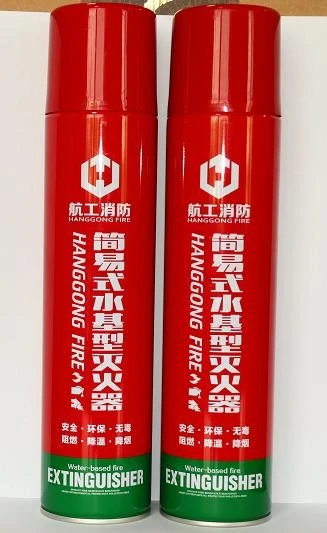

If the kitchen has a high - humidity environment, consider using a strap material that is resistant to moisture. Some straps are treated with special coatings to prevent mold and mildew growth. In areas where there is a lot of grease, clean the straps regularly to remove any build - up. Use a mild detergent and a soft cloth to clean the straps, being careful not to damage the material.
Staff Training
Proper staff training is an often - overlooked aspect of ensuring strap security. Kitchen staff should be educated on the importance of keeping the fire extinguisher straps secure. They should know how to recognize signs of a loose or damaged strap and report it immediately.
Train the staff on how to perform basic visual inspections of the straps during their regular kitchen checks. This can help catch any issues early on and prevent them from becoming more serious problems. Additionally, make sure the staff knows not to tamper with the straps or move the fire extinguisher without proper authorization.
Compatibility with Different Fire Extinguishers
As a supplier, it's important to note that different types of fire extinguishers may require different types of straps. For example, an Electrical Extinguisher Electrical Extinguisher may have a different shape and size compared to a standard kitchen fire extinguisher. Ensure that the straps you provide are compatible with the specific type of fire extinguisher.
Some fire extinguishers may have unique features, such as handles or nozzles, that need to be considered when choosing the strap. The strap should be designed in a way that it can securely hold the extinguisher without interfering with these features.
Choosing the Right Strap
When selecting straps for your Kitchen Fire Extinguishers, consider the quality and reputation of the strap manufacturer. Look for straps that meet industry standards and have been tested for strength and durability. The strap should be able to withstand a certain amount of force without breaking or stretching excessively.
In addition to the material and strength, consider the design of the strap. Some straps have additional features, such as quick - release buckles, which can be useful in emergency situations. However, make sure that these features do not compromise the overall security of the strap.
Emergency Preparedness
Even with all the precautions in place, it's important to be prepared for emergencies related to the strap. Have a supply of replacement straps on hand in case a strap becomes damaged beyond repair. Make sure the replacement straps are the correct size and type for your fire extinguishers.
Develop a plan for how to quickly replace a damaged strap in case of an emergency. Train the kitchen staff on how to perform this replacement so that the fire extinguisher can be back in service as soon as possible.
Conclusion
Ensuring the security of the straps on kitchen fire extinguishers is a multi - faceted process that involves initial inspection, proper installation, regular maintenance, environmental considerations, staff training, and emergency preparedness. By following these steps, you can provide your customers with a reliable and secure fire safety solution.
If you are interested in purchasing high - quality Kitchen Fire Extinguishers or need more information about ensuring the security of the straps, we are here to help. We offer a wide range of Best Fire Extinguisher for Kitchen options to meet your specific needs. Contact us to start a procurement discussion and ensure the safety of your kitchen environment.
References
- National Fire Protection Association (NFPA) standards on fire extinguisher installation and maintenance.
- Manufacturer's guidelines for Kitchen Fire Extinguishers.
- Industry research on the effects of environmental factors on fire extinguisher strap materials.