

How to use a wheeled fire extinguisher in a narrow corridor?
Using a wheeled fire extinguisher in a narrow corridor can be a challenging yet crucial skill, especially when it comes to preventing and combating fires effectively. As a supplier of wheeled fire extinguishers, I've witnessed firsthand the importance of proper usage in various scenarios. In this blog, I'll share some practical tips on how to use a wheeled fire extinguisher in a narrow corridor, ensuring safety and efficiency.
Understanding the Challenges of Narrow Corridors
Narrow corridors present unique challenges when it comes to fire safety. The limited space can make it difficult to maneuver a large wheeled fire extinguisher, and the close proximity of walls and obstacles can increase the risk of collisions. Additionally, the confined environment can lead to the rapid spread of smoke and heat, reducing visibility and making it harder to reach the fire.
Choosing the Right Wheeled Fire Extinguisher
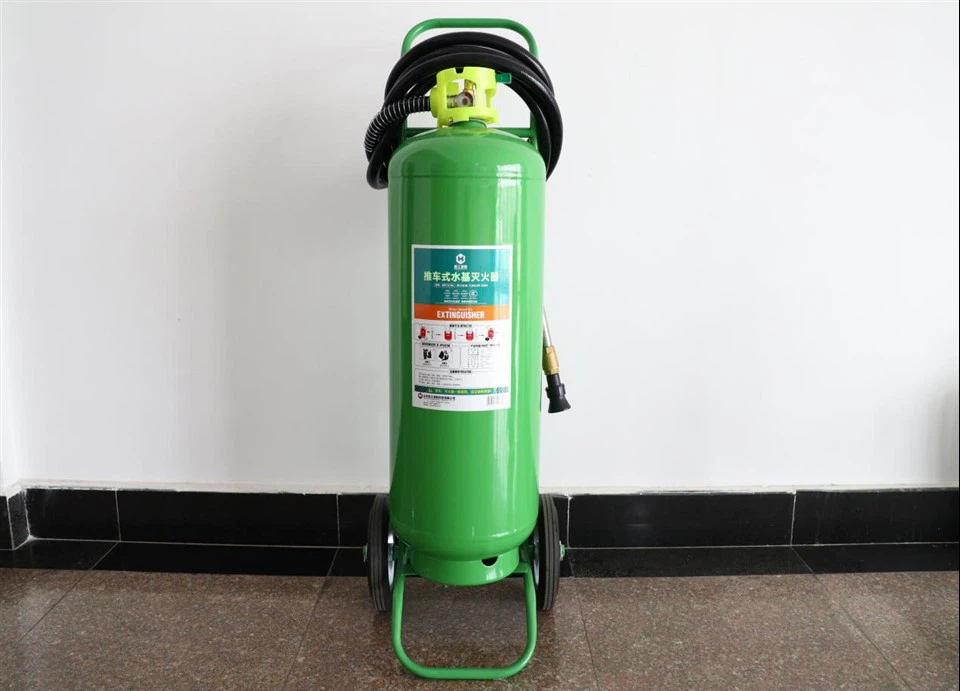
Before you even think about using a wheeled fire extinguisher in a narrow corridor, it's essential to choose the right one for the job. Our Large Fire Extinguisher and 25kg Water-based Fire Extinguisher are excellent options for large-scale fires. These extinguishers are designed to provide a high volume of extinguishing agent, making them ideal for tackling significant blazes.
Preparing for Use
Once you've selected the appropriate wheeled fire extinguisher, it's time to prepare for use. Start by ensuring that the extinguisher is in good working condition. Check the pressure gauge to make sure it's within the recommended range, and inspect the hose and nozzle for any signs of damage. It's also a good idea to familiarize yourself with the operating instructions before an emergency occurs.

Maneuvering in a Narrow Corridor
When using a wheeled fire extinguisher in a narrow corridor, maneuverability is key. Start by positioning the extinguisher at a safe distance from the fire, taking into account the length of the hose. If possible, try to position the extinguisher so that you have a clear path to the fire and can easily move around any obstacles.
To move the extinguisher, use the wheels to your advantage. Push or pull the extinguisher slowly and steadily, keeping it centered in the corridor to avoid collisions with walls or other objects. If you encounter an obstacle, try to navigate around it carefully. If necessary, you may need to adjust the angle of the extinguisher to get it through tight spaces.
Operating the Fire Extinguisher
Once you're in position, it's time to operate the fire extinguisher. Remember the PASS method: Pull, Aim, Squeeze, and Sweep.
- Pull: Pull the pin at the top of the extinguisher to break the seal.
- Aim: Aim the nozzle at the base of the fire, not at the flames. This is where the fuel is located, and targeting the base will help extinguish the fire more effectively.
- Squeeze: Squeeze the handle on the extinguisher to release the extinguishing agent.
- Sweep: Sweep the nozzle from side to side, covering the base of the fire with the extinguishing agent until the fire is out.
Safety Considerations
When using a wheeled fire extinguisher in a narrow corridor, safety should always be your top priority. Here are some important safety considerations to keep in mind:
- Wear protective gear: Always wear appropriate protective gear, such as gloves and a fire-resistant jacket, to protect yourself from heat and flames.
- Stay low: Smoke and heat rise, so stay low to the ground to avoid inhaling toxic fumes.
- Have an escape route: Before you start using the extinguisher, make sure you have a clear escape route in case the fire gets out of control.
- Call for help: Even if you're able to extinguish the fire, it's important to call the fire department to ensure that the area is safe and to prevent any potential re-ignition.
Training and Practice
Using a wheeled fire extinguisher in a narrow corridor requires skill and practice. It's a good idea to participate in fire safety training courses to learn proper techniques and gain hands-on experience. Regular practice will help you become more comfortable and confident in using the extinguisher, increasing your chances of success in an emergency.
Conclusion
Using a wheeled fire extinguisher in a narrow corridor can be challenging, but with the right preparation, equipment, and techniques, it can be done safely and effectively. As a supplier of Big Fire Extinguishers, we're committed to providing high-quality products and resources to help you protect your property and loved ones from the devastating effects of fire.
If you're interested in learning more about our wheeled fire extinguishers or need assistance in choosing the right one for your needs, please don't hesitate to contact us. Our team of experts is here to help you make an informed decision and ensure that you have the best possible fire safety solution.
References
- National Fire Protection Association. (2023). NFPA 10: Standard for Portable Fire Extinguishers.
- Occupational Safety and Health Administration. (2023). Fire Extinguishers.